



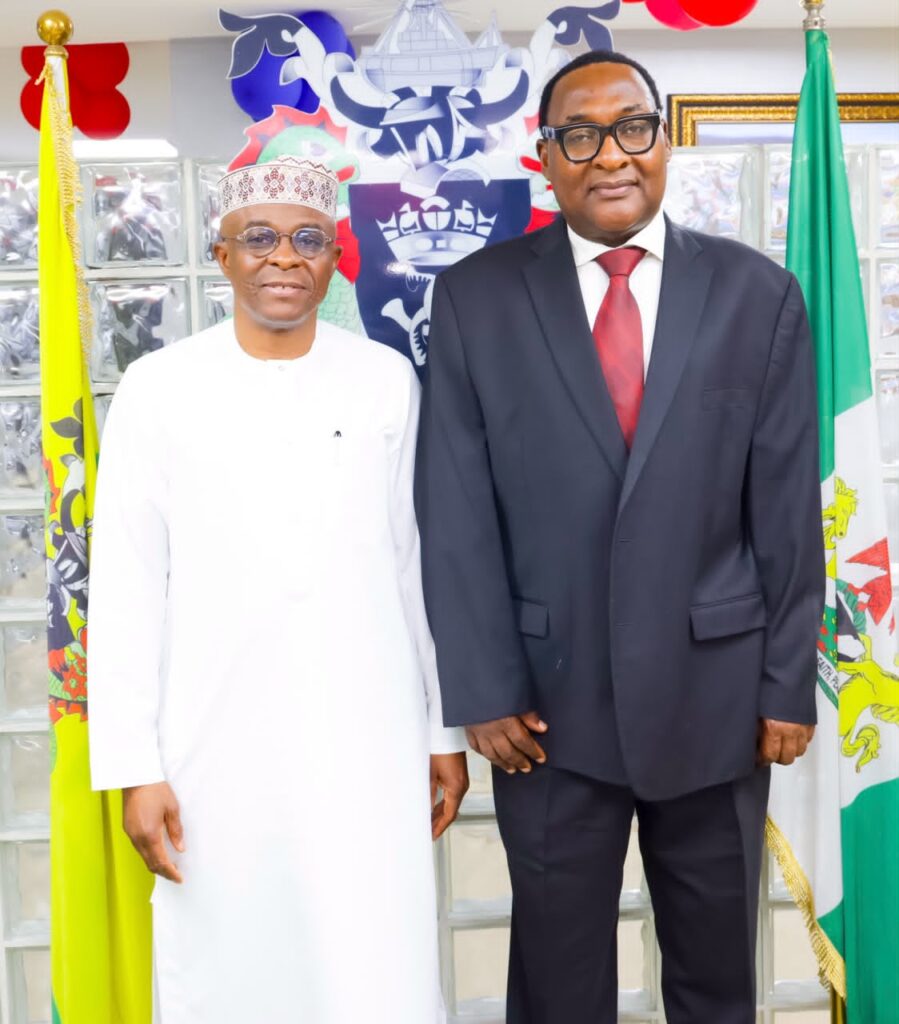
Executive Secretary of the Nigeria Shippers Council, Mr. Hassan Bello, during a visit of Funtua Inland Dry Port at the authority’s corporate headquarters in Marina, Lagos recently
The Nigerian Ports Authority (NPA) is moving to strengthen the integration of Nigeria’s inland dry ports with its seaports, with a focus on infrastructure upgrades, digitalisation and improved cargo movement across the country’s maritime logistics network.
The initiative took centre stage when the NPA management, led by its Managing Director, Dr. Abubakar Dantsoho, received the Executive Director of Dala Inland Dry Port, Mr. Ahmad Rabiu, and representatives of Funtua Inland Dry Port at the authority’s corporate headquarters in Marina, Lagos.
The familiarisation visit followed a directive by the Minister of Marine and Blue Economy, Dr. Adegboyega Oyetola, transferring operational oversight of inland dry ports to the NPA. The engagement was aimed at strengthening institutional collaboration, harmonising operational procedures and improving ease of doing business across Nigeria’s port system.
Speaking at the meeting, Dantsoho stressed the need to align the development of inland dry ports with ongoing modernisation efforts at the nation’s seaports, particularly Apapa and Tin Can Island ports, where a $1 billion loan facility has been secured for comprehensive upgrades.
He said inland dry ports must improve their infrastructure and technical capabilities to keep pace with developments at the seaports and meet the demands of an increasingly sophisticated maritime logistics industry.
“For our Inland Dry Ports to function at the same velocity as the ongoing modernisation across our seaports, we must proactively upgrade dry port infrastructure and technical capacity”, Dantsoho said.
He explained that as the NPA advances the deployment of digital solutions, including the Port Community System (PCS) and the National Single Window, inland dry ports must equally adopt modern equipment and advanced operational systems to handle increasing cargo volumes and accommodate larger vessels arriving at Nigerian ports.
Dantsoho also acknowledged private-sector contributions to the development of inland logistics infrastructure, citing APM Terminals’ establishment of an Export Processing Terminal in Northern Nigeria.
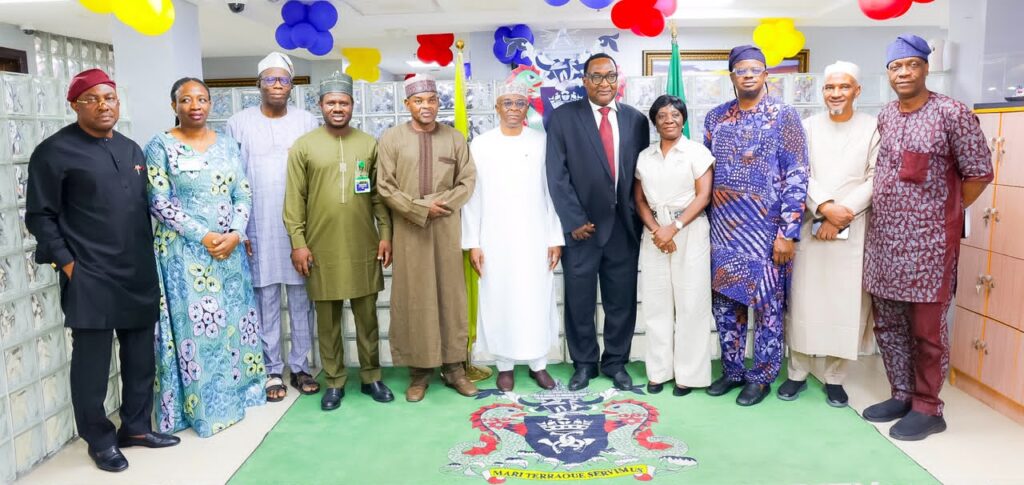
He called for greater private-sector investment in the inland dry port ecosystem, noting that sustained collaboration between public institutions and private operators would be critical to achieving an efficient and integrated port system.
“The journey toward an optimised inland port system is just beginning”, he said,
while confirming plans for official visits to the Dala and Funtua facilities.
Speaking on behalf of the delegation, a former Executive Secretary of the Nigeria Shippers Council, Mr. Hassan Bello, expressed appreciation for the transfer of operational oversight to the NPA, describing it as an opportunity to strengthen the administration and development of inland dry ports.
Bello referenced the gazetted Port Act, which recognises inland dry ports as official ports of origin and destination. He also highlighted operational challenges confronting the facilities, particularly inadequate rail connectivity and broader logistics constraints affecting the movement of cargo between inland locations and seaports.
The discussions also explored the need for technical consultations, infrastructure integration and coordinated physical planning to support the development of inland dry ports.
Participants identified infrastructure access, site conditions and project planning as key considerations requiring further assessment before major development decisions could be finalised.
The meeting underscored the importance of continued stakeholder engagement, technical reviews and physical inspections to establish a clear framework for subsequent infrastructure development and operational improvements.
The integration of inland dry ports into the wider seaport system is expected to support more efficient cargo movement, improve access to port services for businesses in the hinterland and strengthen Nigeria’s maritime logistics network.