




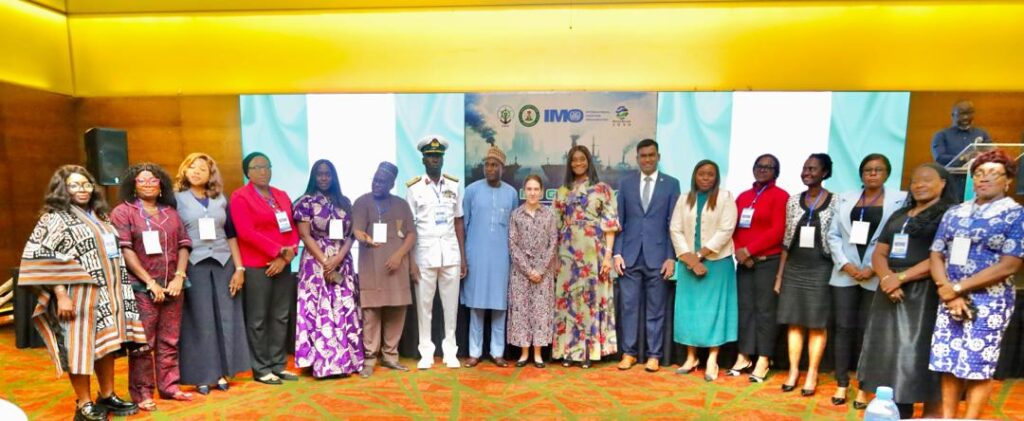
The Nigerian Maritime Administration and Safety Agency (NIMASA) has reaffirmed its commitment to providing regulatory leadership, technical coordination and stakeholder engagement for the successful development and implementation of a National Action Plan (NAP) on maritime decarbonisation.
Director General of NIMASA, Dr. Dayo Mobereola, made this known at a National Stakeholders’ Workshop convened to develop Nigeria’s National Maritime Decarbonisation Action Plan. He described the engagement as a critical milestone in advancing the federal government’s blue economy agenda and climate objectives.
According to Mobereola, the proposed National Action Plan will be tailored to Nigeria’s unique realities, leveraging existing capacities, addressing identified gaps and aligning with the federal government’s broader economic and environmental priorities.
“This transition is not merely about compliance with international obligations”, he stated.
“It is about safeguarding our marine environment, protecting public health, strengthening the blue economy and ensuring that our maritime industry remains competitive and future-ready”.

Also speaking at the workshop, the Technical Manager of the IMO GreenVoyage2050 Project, Astrid Dispert, explained that the initiative aims to advance a coherent and globally aligned regulatory framework to accelerate maritime decarbonisation.
She emphasised NIMASA’s pivotal role in driving the project at the national level.
The IMO GreenVoyage2050 Project provides technical expertise and institutional support to help participating countries design and implement National Action Plans that promote sustainable shipping practices, attract investment in clean technologies and build long-term capacity for emissions reduction.
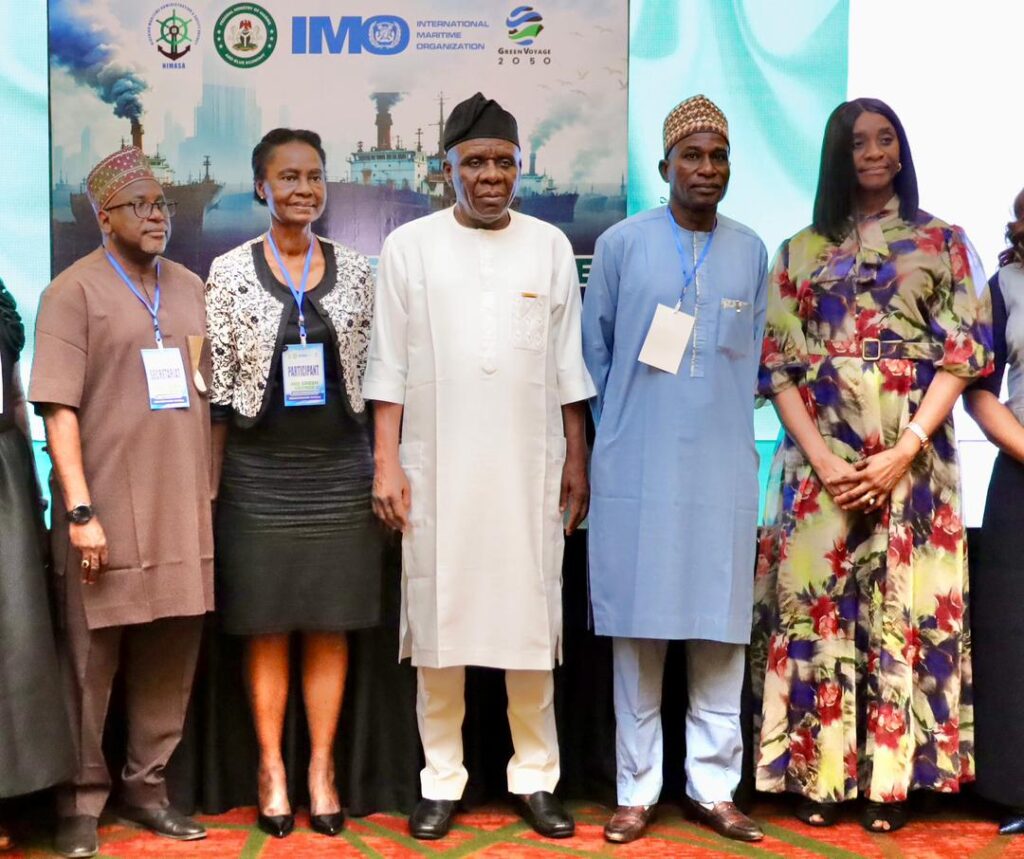
Through this collaboration, Nigeria is taking deliberate steps toward maritime decarbonisation, reinforcing its commitment to global climate goals while positioning its maritime sector for a cleaner, greener and more sustainable future.