



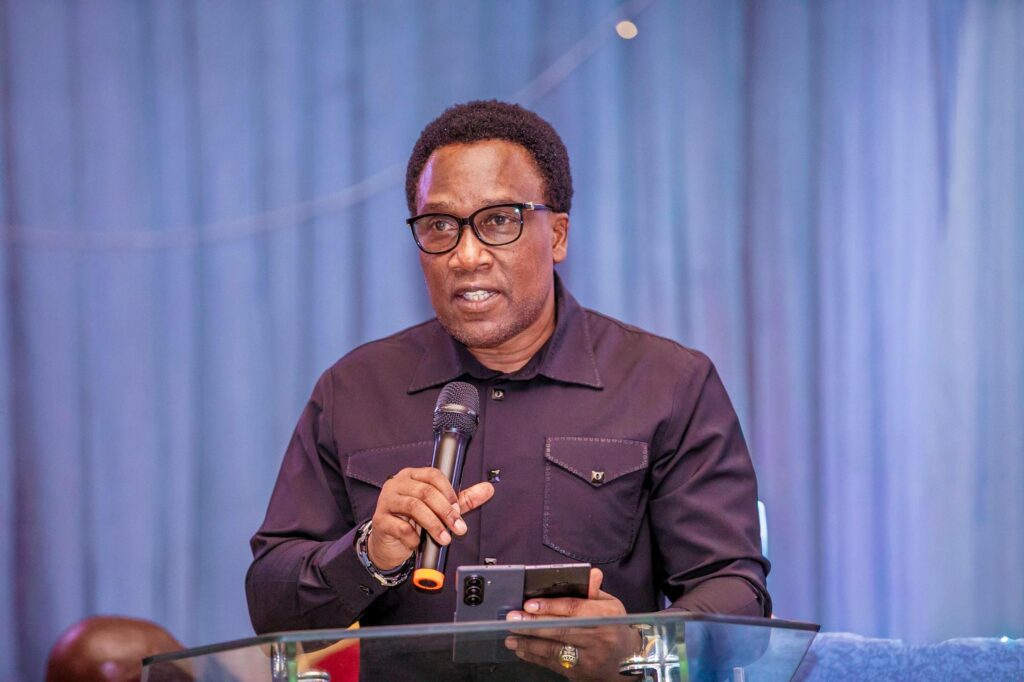
The Director General/Chief Executive Officer of the Nigerian Meteorological Agency (NiMet), Prof. Charles Anosike, has underscored the growing importance of artificial intelligence, satellite technology, and big data analytics in tackling Nigeria’s escalating climate risks.
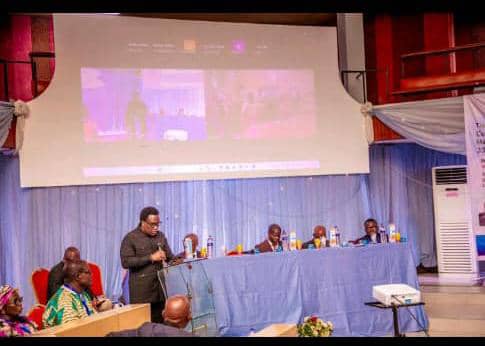
He made this known while delivering a keynote address at the 2026 International Conference of the Nigerian Meteorological Society (NMetS) and its 35th Annual General Meeting held at the University of Lagos, Akoka.
Prof. Anosike applauded the society for convening the conference, noting that its theme, “Advancing Meteorology: Harnessing AI, Satellites, and Big Data for Climate Resilience and Sustainability”, highlights the urgent need to translate scientific knowledge into practical solutions that safeguard lives, livelihoods, and national development.
He warned that climate change is no longer a distant threat but a present-day reality, evident in rising temperatures, erratic rainfall, floods, droughts, heatwaves, and other extreme weather events impacting ecosystems and economies, particularly across Africa.
Highlighting Nigeria’s climate vulnerabilities, the NiMet boss pointed to worsening temperature extremes, shifting rainfall patterns, desertification in the north, and coastal erosion in the south. He stressed that conventional meteorological approaches can no longer adequately address these complex challenges.
According to him, the integration of AI-powered forecasting, satellite observations, and high-performance computing has become central to NiMet’s operations, enabling more accurate, timely, and impact-based weather predictions.
Anosike further revealed that NiMet is strengthening its capabilities through strategic partnerships with organisations such as AIM for Scale, Ignitia, Tomorrow.io, the Korean Meteorological Authority, and the China Meteorological Administration. He added that the agency’s Digital Climate Advisory Service (DCAS) is already delivering weather-informed guidance to farmers, enhancing climate-resilient agricultural practices.
He emphasised the vital role of professional bodies, researchers, and educators in advancing meteorology, while calling on the private sector and civil society to actively support improvements in meteorological observation systems and climate services.
The NiMet Director General also urged the Nigerian Meteorological Society to nurture emerging professionals, uphold ethical research standards, and bridge the gap between science and policy, in line with the United Nations’ Early Warnings for All initiative.
He reaffirmed NiMet’s commitment to leveraging innovation and technology to build a climate-resilient Nigeria.
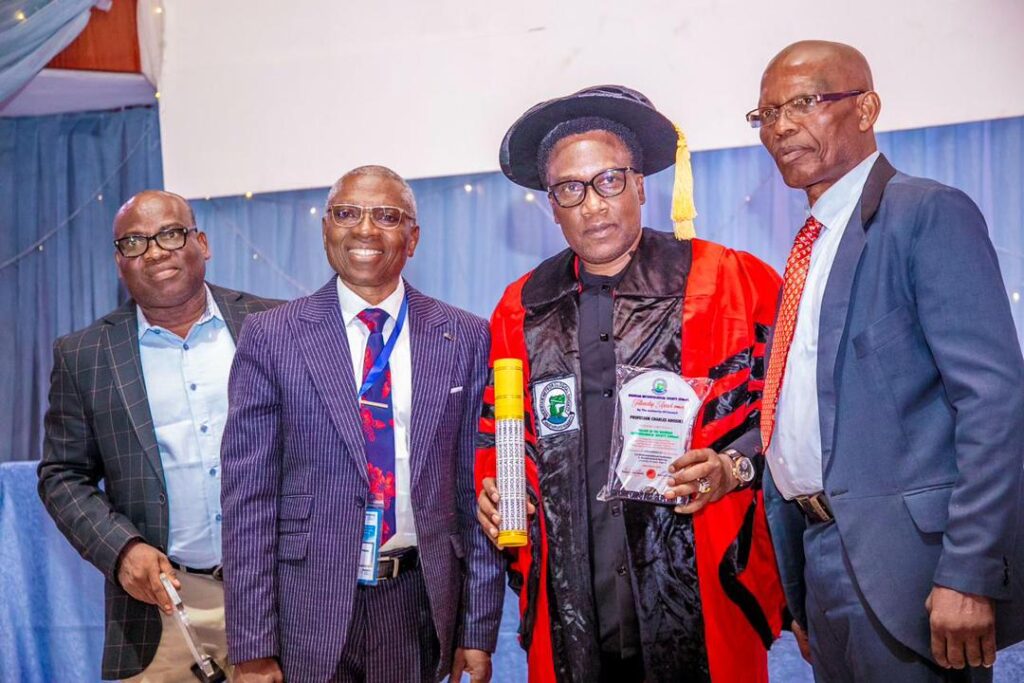
At the event, Anosike was honoured with a fellowship and commendation award in recognition of his contributions to meteorological services.