





The Nigerian Shippers Council (NSC) and the Nigerian Revenue Service (NRS), alongside the National Single Window (NSW) Committee, have opened negotiations with terminal operators and shipping companies to secure relief for importers affected by cargo delays at the nation’s ports.
The move follows disruptions linked to the ongoing migration from legacy platforms operated by the Standard Organisation of Nigeria (SON) and the National Agency for Food and Drug Administration and Control (NAFDAC) to the newly introduced NSW system, which has led to a buildup of demurrage and detention charges on stranded cargoes.
At a stakeholders’ engagement held on Friday, NRS Chairman, Dr. Zacch Adedeji, appealed to port operators to support importers by granting waivers or concessions during the transition period.
He explained that the delays were unintended consequences of system integration challenges, noting that similar support had been extended in the past. Adedeji urged stakeholders to consider temporary relief measures without undermining private sector regulations.

According to him, such interventions are standard global practice whenever disruptions beyond normal business conditions occur. He stressed that the government’s priority is not revenue generation but shared economic prosperity.
Adedeji also warned that individuals exploiting inefficiencies in the previous system would face sanctions, reaffirming the government’s resolve to ensure transparency and accountability under the new regime.
On resolving the technical issues, he assured stakeholders that the glitches were minor and would be fixed within days, attributing the delays largely to the phased migration of cargo data between old and new systems.
Executive Secretary of the NSC, Dr. Pius Akutah, said the meeting was convened following the NSW platform’s go-live on March 27, emphasising that the reform is already yielding benefits despite initial challenges.
He added that efforts are underway to strengthen the Council’s regulatory capacity through a new legal framework, with a bill to establish the Nigerian Port Economic Regulatory Agency nearing final passage at the National Assembly.
Shipping companies, represented by the Shipping Association of Nigeria (SAN), expressed willingness to collaborate but called for clear timelines on resolving the system issues.
SAN Chairperson, Boma Alabi, noted that operators share the government’s goal of improving efficiency, reducing costs, and eliminating bottlenecks at the ports.
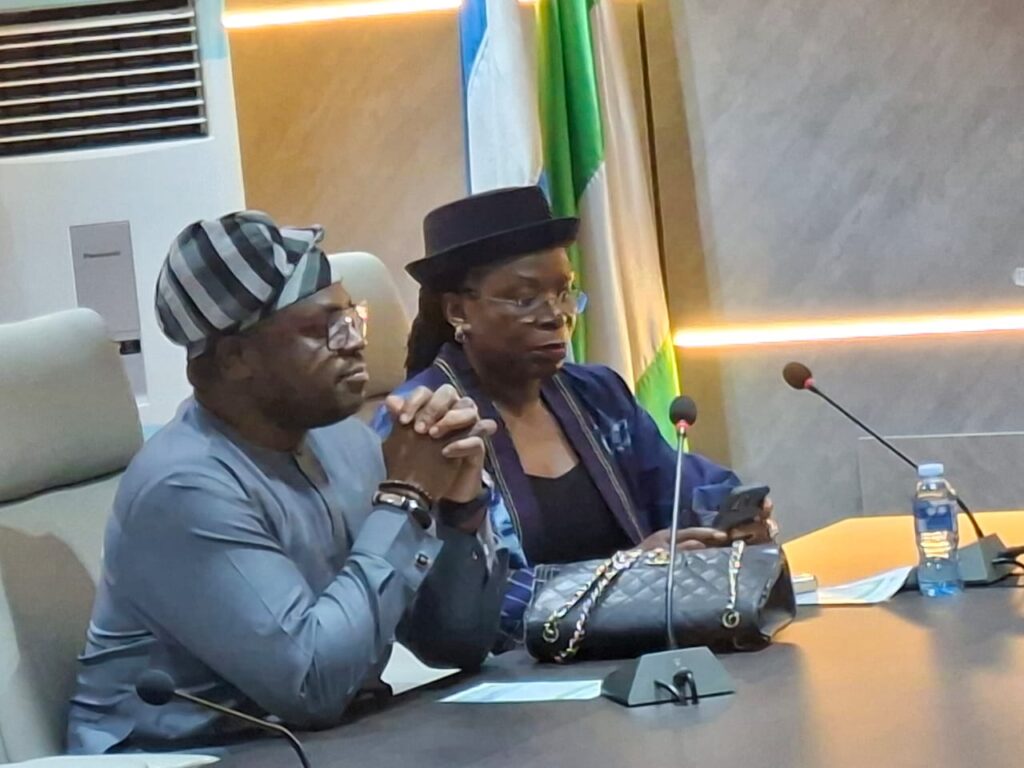
Industry stakeholders also highlighted the need for a balanced approach. While acknowledging the importance of the NSW reform, they cautioned against blanket waivers, stressing that only genuinely affected importers should benefit.
Managing Director of Lagos and Niger Shipping Agency (LANSA), Todd Reaves, described the NSW initiative as one of the most impactful government reforms in decades, while PTML Terminal’s General Manager, Tunde Keshinro, urged stricter scrutiny to prevent abuse of waiver provisions.
Chairman of the NSW Committee, Tola Fakolade, reassured stakeholders that the situation remains under control, noting that proactive engagements are ongoing to align all service providers and minimise the impact on port users.
Overall, stakeholders agreed on the need for collaboration to ensure a smooth transition to the NSW system while cushioning the short-term effects on importers.