



Nigeria’s maritime sector may be on the cusp of a major transformation, as the Nigerian Shippers’ Council intensifies efforts to modernise port operations, attract fresh investment, and position the country for continental trade under the African Continental Free Trade Area.
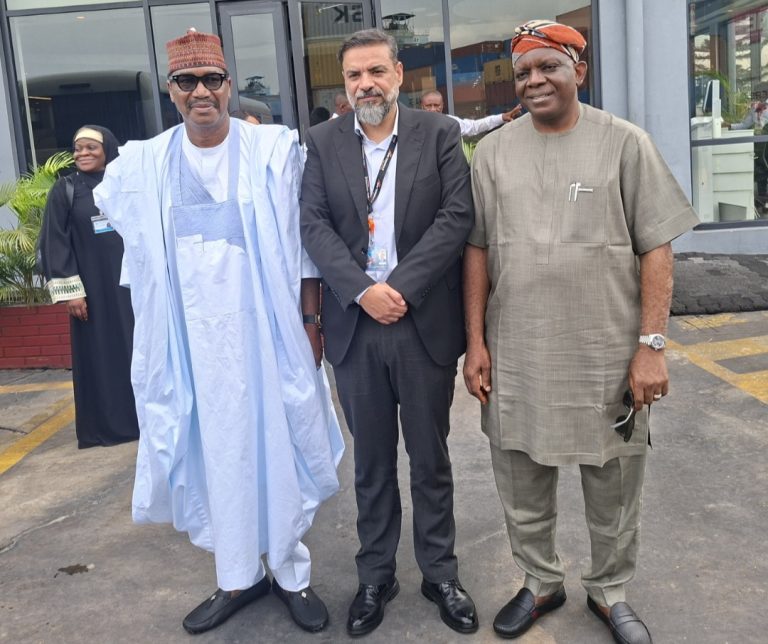
During a high-level tour of key port operators in Lagos, the Council’s Executive Secretary, Dr. Pius Akutah, revealed that a $600 million upgrade proposal by APM Terminals Apapa is currently before the federal government – an indication of growing investor confidence in Nigeria’s port economy.
The terminal’s Managing Director, Kamal Alhraishat, confirmed the proposal, noting the company’s long-term commitment to operations in Nigeria and readiness to scale up infrastructure.
The investment push comes alongside calls from regulators for deeper stakeholder collaboration, particularly in resolving tariff disputes that have strained relationships between shipping companies and freight forwarders.
Akutah stressed that the Council is prioritising performance monitoring, compliance enforcement, and technological modernisation across the sector.
“The marine and blue economy has come to stay. We are monitoring the various entities operating within the sector to see their performance and how to enhance it”, he said.
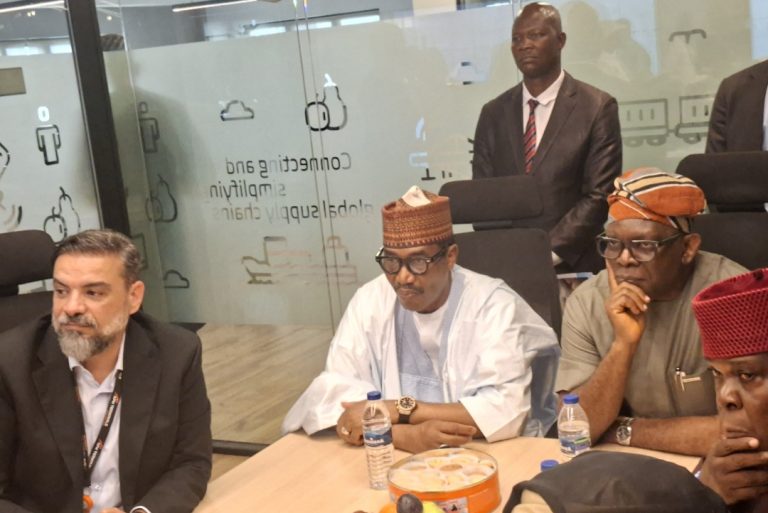
He noted that several operators are already aligning with regulatory expectations through facility upgrades, innovation, and the adoption of digital systems to improve efficiency.
A key highlight of the Council’s reform agenda is the push for export readiness, especially as Nigeria seeks to maximise opportunities under AfCFTA.
“We are hoping that very soon we will start exporting our manufactured goods to the rest of Africa”, Akutah said, adding that modern port infrastructure would be critical to achieving that goal.
The Council also commended CMA CGM for its industry-leading decision to abolish container deposit funds long considered a major pain point for shippers.
“CMA is the only one that has done away with container deposit funds, even long before we found a solution”, Akutah noted, describing the move as a benchmark for other operators.
Beyond port operations, the Council is pushing for expanded investment in multimodal transport and hinterland connectivity to ease cargo movement and reduce congestion.
Akutah specifically urged APM Terminals to diversify into transport and inland logistics, citing persistent gaps in connectivity that continue to affect supply chain efficiency.
The broader vision, he explained, aligns with the Federal Government’s marine and blue economy strategy, designed to unlock jobs, increase trade volumes, and attract foreign direct investment.
With billions of dollars in potential investments on the table and policy reforms underway, industry observers said Nigeria’s ports could be entering a defining phase, one that will determine their competitiveness in Africa’s evolving trade landscape.