


The Lagos State Waterways Authority (LASWA), in partnership with international maritime organisation Interferry, has strengthened professional capacity in ferry safety across Africa following the successful completion of Module 6 of the Africa Ferry Safety Development and Mentoring Programme.
The module, which focused on Survey and Inspection, was conducted throughout October 2026, providing participating mentees with practical and technical competencies for assessing the safety, structural integrity and operational compliance of commercial passenger ferries.
The initiative forms part of ongoing efforts by LASWA, the Lagos State Government and international partners to promote safer ferry operations, improve professional standards and align Africa’s inland water transportation sector with global maritime best practices.
The training combined self-paced theoretical lessons facilitated by class surveyors from the American Bureau of Shipping (ABS) and Lloyd’s Register, interactive virtual mentoring sessions and supervised practical field exercises.
As part of the programme, participants held a virtual Ask the Expert session on October 21, 2026, with experienced maritime professionals, including Joep Bollerman, Francesco Ruisi and Darren Johnston of Interferry.
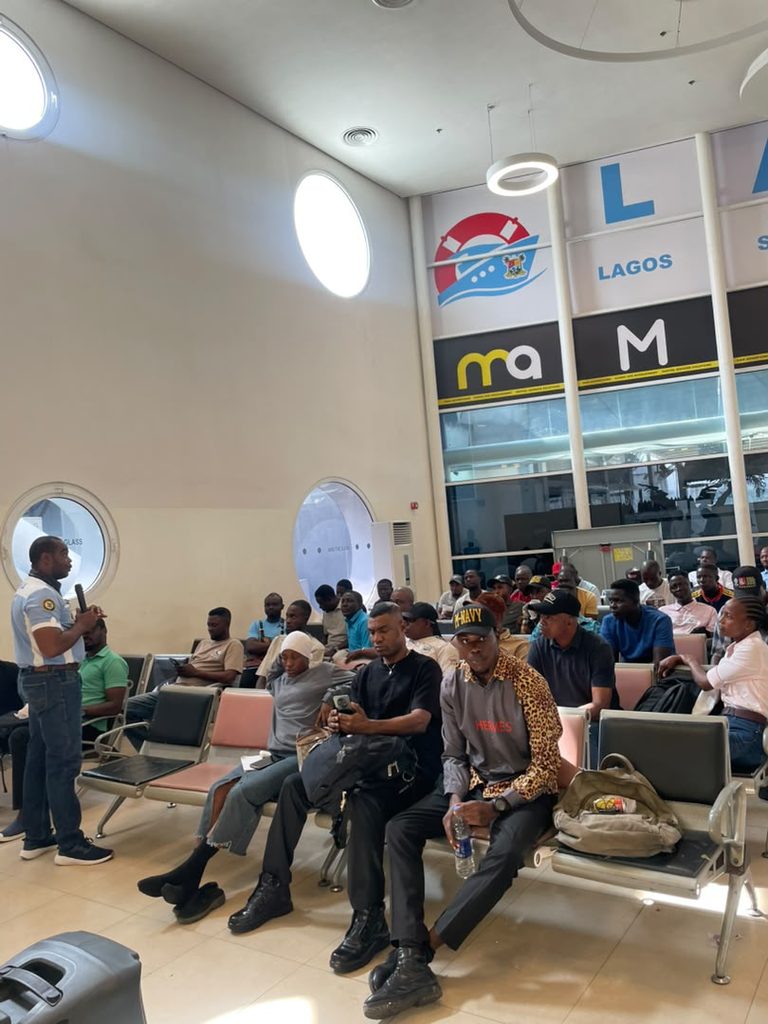
The engagement provided an opportunity for mentees to gain insights into international ferry safety standards, professional surveying techniques and the practical requirements for effective vessel inspections.
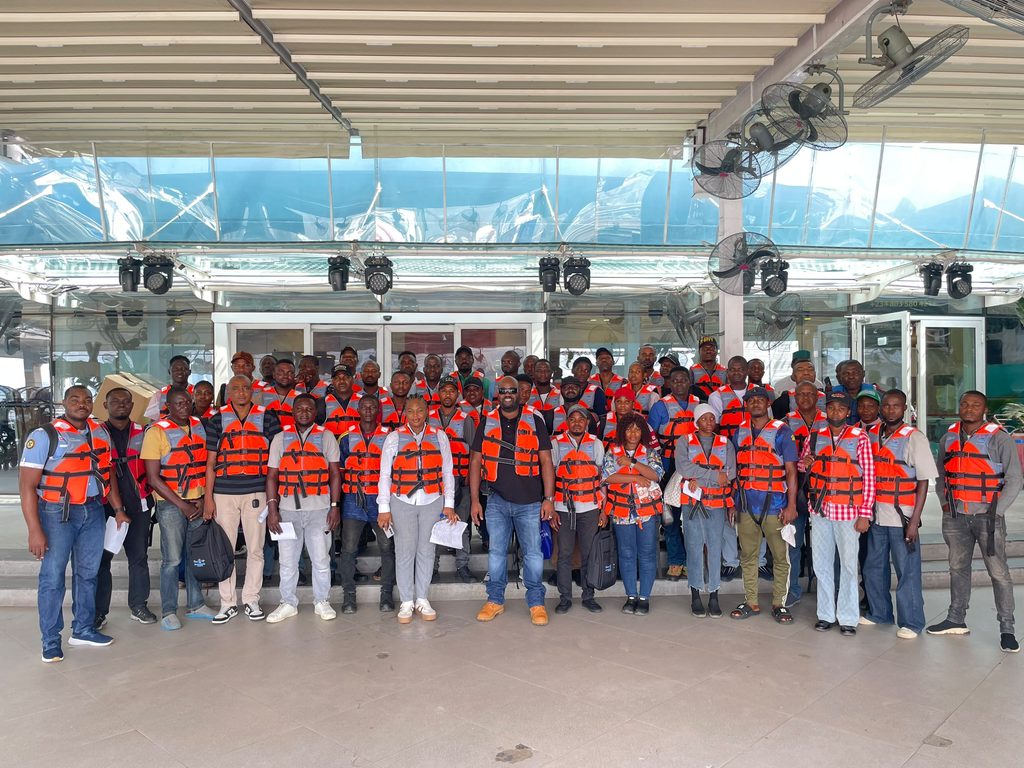
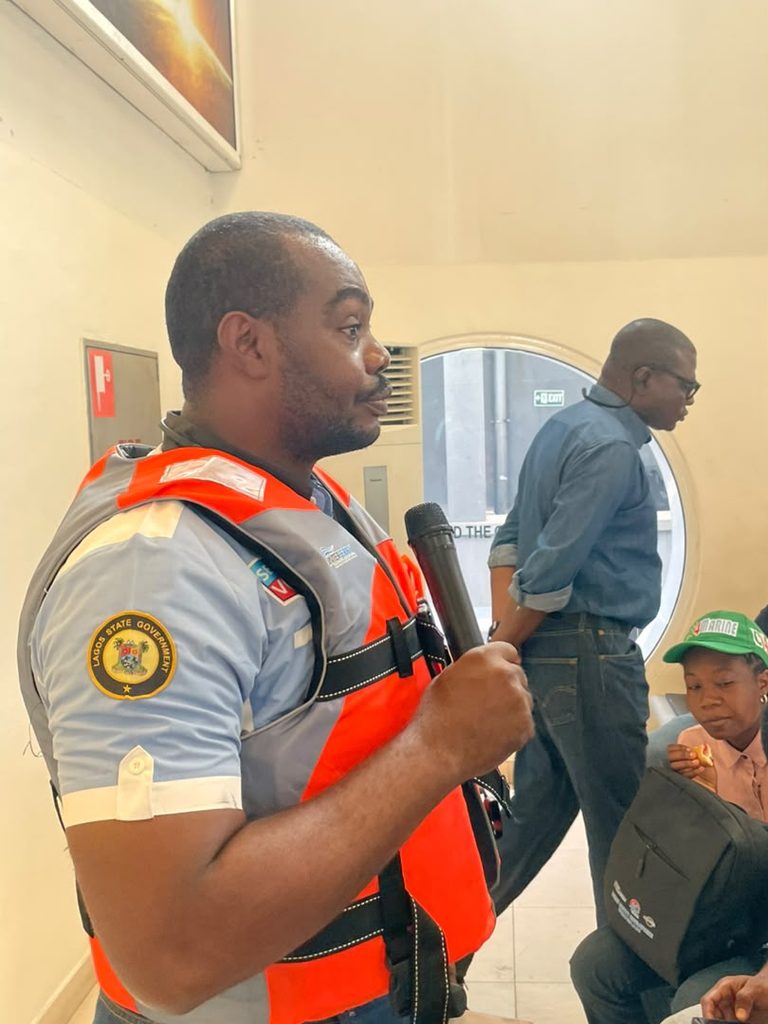
This was followed by a field exercise on October 28, 2026, during which participants took part in live Condition and Safety Compliance Audits at operational passenger ferry terminals.
The exercise was supervised by Sandra (Okoli) Ubong of ABS and Engr. Frank Fayinto of Lloyd’s Register, who guided participants through the application of international classification standards and inspection procedures in actual operational environments.
A major component of the practical training was an eight-step survey methodology covering the entire inspection process, from preliminary preparations and onboard assessments to documentation and field reporting.
Participants were also trained to identify safety deficiencies involving hull integrity, life-saving appliances, fire protection systems and machinery installations.
Other critical areas included evidence-based reporting using the 5W+1H principle, systematic documentation of inspection findings, deficiency logging and risk prioritisation.
The training further equipped participants with the skills to categorise identified deficiencies according to their level of urgency, distinguishing between immediate, medium-term and low-priority interventions. This approach is expected to support more effective corrective measures, strengthen regulatory oversight and reduce operational risks across ferry services.
The successful conclusion of Module 6 represents another step in LASWA’s efforts to develop indigenous technical expertise and institutional capacity for safer and more sustainable inland water transportation.
The Authority acknowledged the contributions of Interferry mentors, Joep Bollerman, Francesco Ruisi and Darren Johnston; field facilitators, Sandra (Okoli) Ubong and Engr. Frank Fayinto; as well as Interferry Chief Executive Officer, Mike Corrigan, and Executive Sponsor of Ferrysafe, Shari Corrigan, to the successful delivery of the training.
The programme continues to enjoy the institutional support of LASWA and the Lagos State Government, alongside the strategic backing of the Special Adviser to the Governor on Blue Economy, Mr. Oluwadamilola Emmanuel.
With Module 6 concluded, the programme will move to Module 7, focusing on Watchkeeping, scheduled for November 2026.
The next phase will deepen participants’ understanding of vessel operations, navigational safety and effective watchkeeping practices, which are essential to preventing marine incidents and ensuring the safe movement of passengers on inland waterways.
Through its collaboration with Interferry, LASWA is reinforcing its commitment to international partnerships, continuous professional development and the establishment of a strong safety culture across Lagos waterways and Africa’s wider ferry transportation industry.