




Bamgbade, Dr. Ramatu Aliyu and Dr. Folayinka Dania at the just ended PrimeTech Day
held in Lagos.
Industry experts have called for bold leadership, innovative engineering and climate-resilient infrastructure to address the growing challenges of urbanisation and shape sustainable cities across Nigeria and Africa.
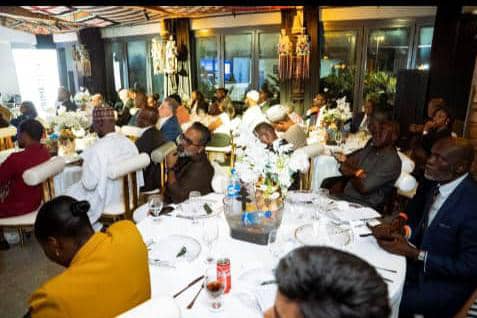
The call was made at PrimeTech Day 2026, organised by PrimeTech Design and Engineering, the engineering and design subsidiary of Julius Berger Nigeria PLC, which brought together industry leaders, urban planners, architects, engineers and technology innovators to examine the future of urban development.
The one-day event, held in Lagos under the theme, “Designing for the Future: Leadership, Resilience and the Cities We Need”, explored how visionary leadership, integrated design, technological innovation and strategic collaboration could drive the development of sustainable, inclusive and adaptable urban centres.
Speaking at the event, General Manager of PrimeTech, Engr. Christian Moessmer, emphasised the importance of integrating architectural and engineering expertise from the earliest stages of project development.
He described PrimeTech as the first link in the chain connecting design, construction and operations, noting that its integrated approach provides clients with a seamless, one-stop solution built around a unified vision.
According to him, although design constitutes a relatively small portion of a project’s lifecycle, decisions taken at that stage significantly influence subsequent construction, operational costs and long-term performance.
“The design phase changes everything that follows”, Moessmer said, stressing that early collaboration among professionals helps minimise costly adjustments during project execution.
He also called for a shift in how resilience is perceived in urban development, insisting that it should be treated as a strategic investment rather than an additional project cost.
“We must treat resilience as an investment, not an extra. It protects assets, safeguards communities and ultimately strengthens our cities,” he said.
Moessmer urged stakeholders to translate discussions on sustainable urban development into concrete partnerships and actions, particularly in Lagos, where rapid urbanisation continues to place enormous pressure on infrastructure.
“The city we need will not be designed in one evening, but it can begin with conversations like this and the partnerships that follow. Our door in Lagos is open. Let’s design the Lagos we need”, he added.
Earlier, PrimeTech Lagos Manager, Joseph Abba, said good design goes beyond the aesthetics of buildings and infrastructure, emphasising its impact on functionality, operating costs and long-term value.
“Good design is not only about how a building or infrastructure looks. It is about how effectively it functions, how much it costs to operate and the long-term value it delivers throughout its lifecycle”, he said.
Abba noted that Lagos, with an estimated population of more than 22 million, faces increasing demands for housing, transportation, healthcare, education, energy and water infrastructure.
He identified flooding, extreme heat, traffic congestion and infrastructure deficits as major challenges confronting the city, adding that these realities make resilience an essential consideration in planning and delivering new infrastructure.
He challenged stakeholders to assess whether current investments would remain functional, efficient and valuable decades from now.
Abba also highlighted PrimeTech’s growth and expanding technical capabilities since its establishment in 2012, noting that the company had delivered engineering solutions for public and private sector clients across the country.
He disclosed that the firm currently has a multidisciplinary workforce of more than 67 engineers operating from its Abuja headquarters and Lagos office.
Its areas of expertise include structural, mechanical, electrical, piping and infrastructure engineering, supported by an ISO-certified quality management system designed to ensure consistency, accountability and continuous improvement.
Other contributors to the discussions included the keynote speaker, retired Brigadier-General Tunde Reis; Dr. Folayinka Dania of the Lagos State Resilience Office; Arc. Dr. Ramatu Aliyu, Partner at PrimeTech Architecture LLP; Engr. Jafaru Damulak, Chairman of the PrimeTech Board; and Moessmer.
The speakers agreed that the rapid pace of urbanisation across Lagos and other African cities requires a fundamental rethink of conventional approaches to urban planning and infrastructure development.

They stressed that future cities must be capable of withstanding environmental, economic and social shocks while adapting to the changing needs of their populations.
A major focus of the discussions at the event was the role of leadership in driving sustainable urban transformation. Participants noted that beyond infrastructure and technology, effective leadership is critical to developing the policies, partnerships and investment frameworks required for long-term resilience and growth.
The event also examined the growing influence of smart technologies, data-driven planning and innovative construction methods in reshaping urban environments.
Participants advocated the integration of digital solutions into transportation, housing, healthcare and public services to improve efficiency, enhance quality of life and strengthen community resilience.
They further called for increased investment in climate-resilient infrastructure, inclusive public spaces and social systems that promote accessibility, equity and community well-being.
The consensus was that resilience must become a fundamental principle of urban planning rather than an optional feature, with cities requiring forward-looking strategies that address emerging challenges while meeting present-day needs.
PrimeTech Day 2026 ended with participants expressing a shared commitment to deeper collaboration, accelerated innovation and stronger leadership capacity to advance sustainable, prosperous and resilient cities across Nigeria and beyond.