



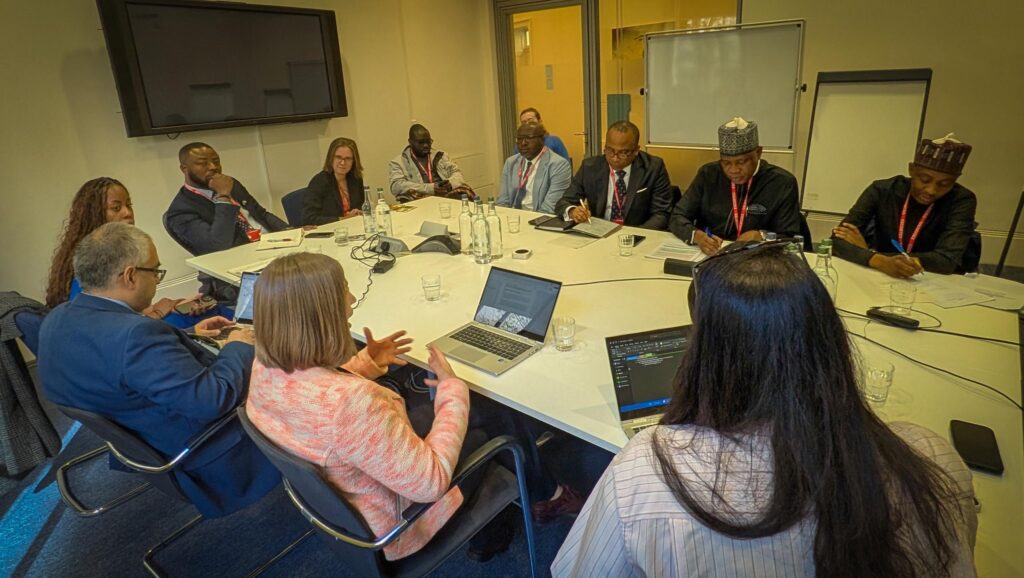
The Nigeria Customs Service (NCS) and the United Kingdom’s His Majesty’s Revenue and Customs (HMRC) have strengthened strategic cooperation aimed at boosting trade facilitation, enhancing transparency, and accelerating digital transformation across their shared trade corridor.
The renewed partnership was cemented during a high-level bilateral meeting held in London on March 18, 2026, under the framework of the Nigeria–United Kingdom Enhanced Trade and Investment Partnership (ETIP). The meeting took place on the sidelines of the State Visit of President Bola Ahmed Tinubu to the United Kingdom, underscoring the growing importance of economic diplomacy in Nigeria’s reform agenda.
Leading the Nigerian delegation was Comptroller-General of Customs, Bashir Adewale Adeniyi, while the UK team was headed by Megan Shaw, HMRC’s Head of International Customs and Border Engagement. Both sides engaged in extensive discussions focused on modernising customs operations, improving data integrity, and strengthening institutional collaboration.
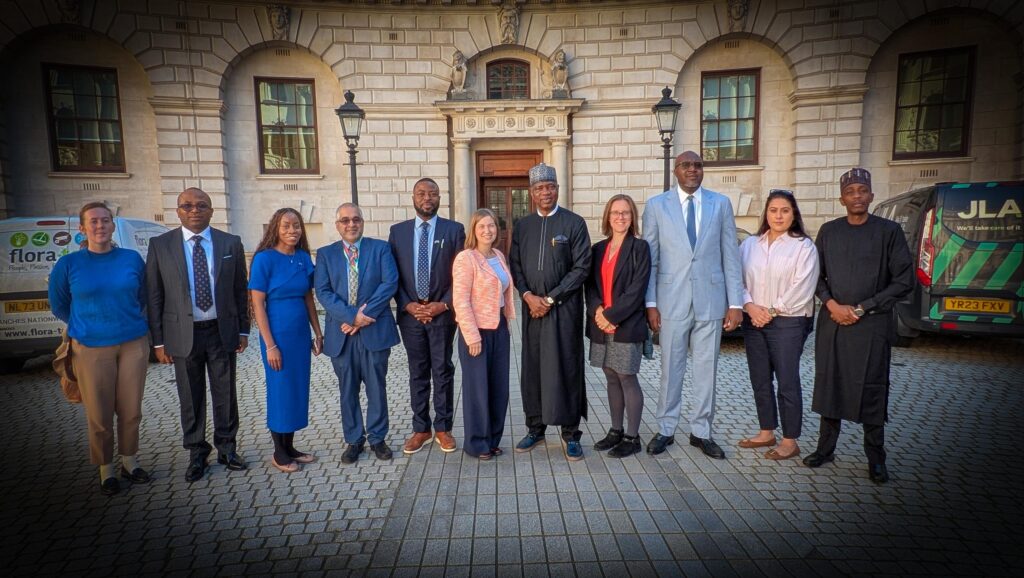
At the heart of the engagement was a shared recognition that customs administrations play a pivotal role in enabling economic growth by ensuring that trade flows remain secure, transparent, and efficient. Adeniyi highlighted the long-standing economic ties between Nigeria and the UK, noting that trade between both countries spans critical sectors such as agriculture, energy, industrial goods, and consumer products.
He stressed that effective customs cooperation is essential to sustaining these economic linkages, particularly at a time when Nigeria is pursuing ambitious reforms to enhance its global trade competitiveness.
A major issue addressed during the meeting was the persistent discrepancy in bilateral trade data between both countries. According to figures reviewed during the talks, Nigeria recorded approximately £504 million worth of UK-origin imports in 2024, while the UK reported exports to Nigeria valued at about £1.7 billion within the same period.
Both parties described the gap as a structural challenge requiring urgent and coordinated action. To bridge this divide, the NCS and HMRC agreed to explore the development of a structured pre-arrival data exchange framework. The proposed system will enable real-time sharing of trade information between their digital customs platforms, with the aim of improving risk assessment, strengthening compliance monitoring, and enhancing the accuracy of trade statistics.
The meeting also provided a platform for both administrations to showcase their respective modernisation efforts. HMRC highlighted its deployment of advanced technologies, including artificial intelligence-driven trade tools, digital verification systems, and real-time analytics designed to improve border efficiency and detect anomalies in trade flows.
In response, the NCS reaffirmed its commitment to aligning with global best practices by integrating similar digital solutions into its operations. Discussions emphasised the need for deeper collaboration in technology adoption, knowledge transfer, and capacity building to support Nigeria’s ongoing customs reform programme.
Key outcomes from the engagement included plans to develop a Customs Mutual Administrative Assistance Framework, which will facilitate information sharing and joint enforcement actions. Both sides also agreed to commence technical scoping for capacity-building initiatives and establish a joint technical engagement mechanism under the ETIP structure to ensure sustained collaboration.
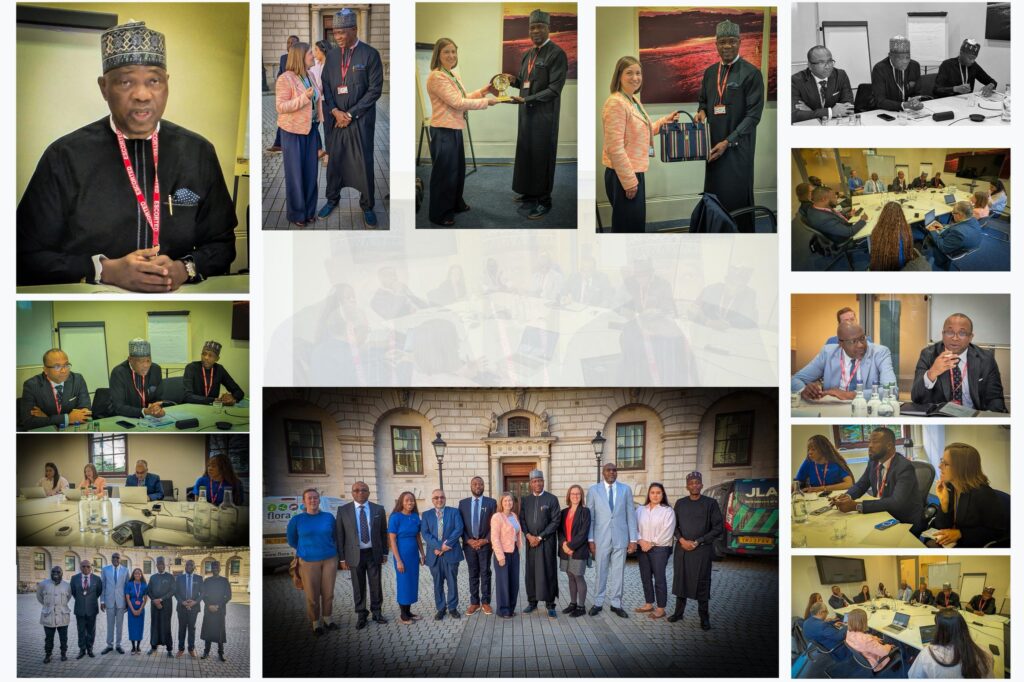
The NCS noted that these initiatives are expected to significantly enhance its operational efficiency, improve service delivery, and strengthen Nigeria’s position in international trade.
Reiterating its broader vision, the Service said the partnership aligns with Nigeria’s economic reform priorities under the Renewed Hope programme, which seeks to drive growth through improved governance, transparency, and investment-friendly policies.
Stakeholders in the trade and logistics sector are expected to benefit from faster clearance processes, more predictable border procedures, and improved confidence in Nigeria’s trade systems as the collaboration between both customs authorities deepens.
The development marks another step in Nigeria’s efforts to leverage international partnerships to modernise its institutions and create a more competitive and transparent trading environment.