



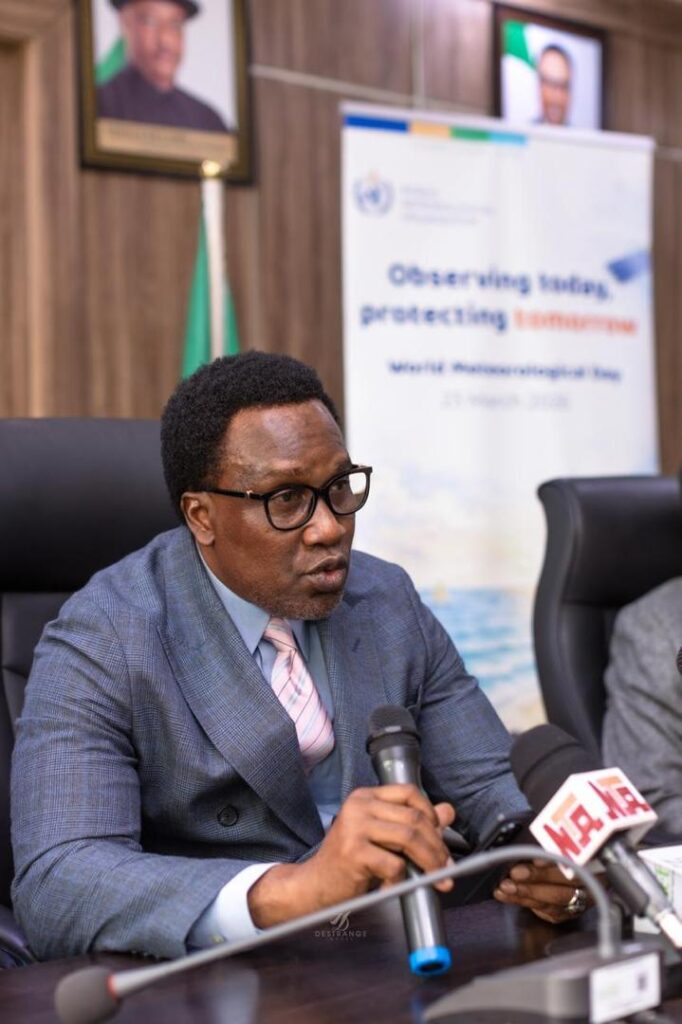
The Director-General and Chief Executive Officer of the Nigerian Meteorological Agency (NiMet), Prof. Charles Anosike, has raised fresh concerns over intensifying climate conditions in Nigeria, revealing that some parts of the country recorded up to 100 days of extreme heat in 2025.
Anosike made the disclosure during the 2026 celebration of World Meteorological Day, where he called for stronger investment in weather observation systems and enhanced collaboration to address growing climate risks.
Citing data from the State of the Climate in Nigeria 2025 report, he said temperatures of 40°C and above were recorded across 23 cities, with Nguru in Yobe State experiencing the highest number of extreme heat days. He added that the northwest and northeast regions were the most affected, particularly between March and June.
The NiMet boss also warned of increasing flood incidents nationwide, noting that the frequency and intensity of extreme weather events are rising due to climate change, placing greater demand on accurate and timely meteorological information.
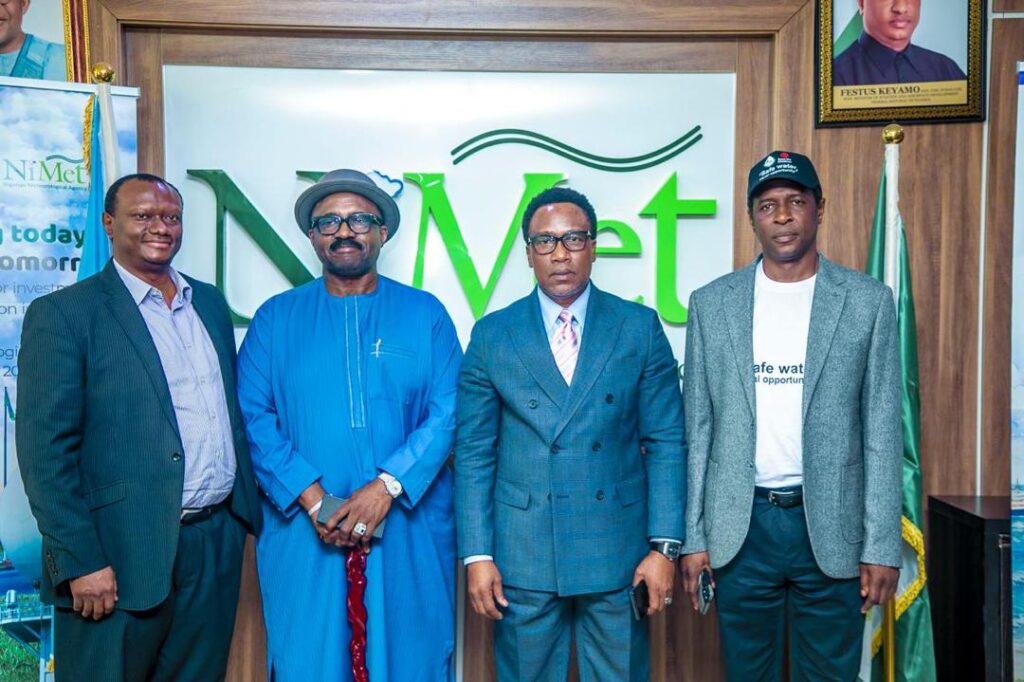
Highlighting the theme of this year’s event, “Observing Today, Protecting Tomorrow”, Anosike stressed that effective weather forecasting and early warning systems depend on reliable data collected through robust observation networks.
He explained that NiMet has continued to modernise its infrastructure, including surface and upper-air observation systems, satellite data reception, and automatic weather stations, all aimed at improving forecasting accuracy and supporting sectors such as aviation, agriculture, disaster management, and maritime operations.
Beyond Nigeria, the agency is also contributing to international efforts by providing technical advisory services to Liberia, Niger, Somalia, and Burkina Faso, helping to strengthen their meteorological observation capabilities.
Despite these advancements, Anosike noted that increasing climate variability, rapid technological changes, and rising demand for weather services require greater collaboration, particularly with the private sector.
He emphasised that private investment in weather technologies, data analytics, and artificial intelligence models would complement government efforts and help build a more resilient meteorological system.
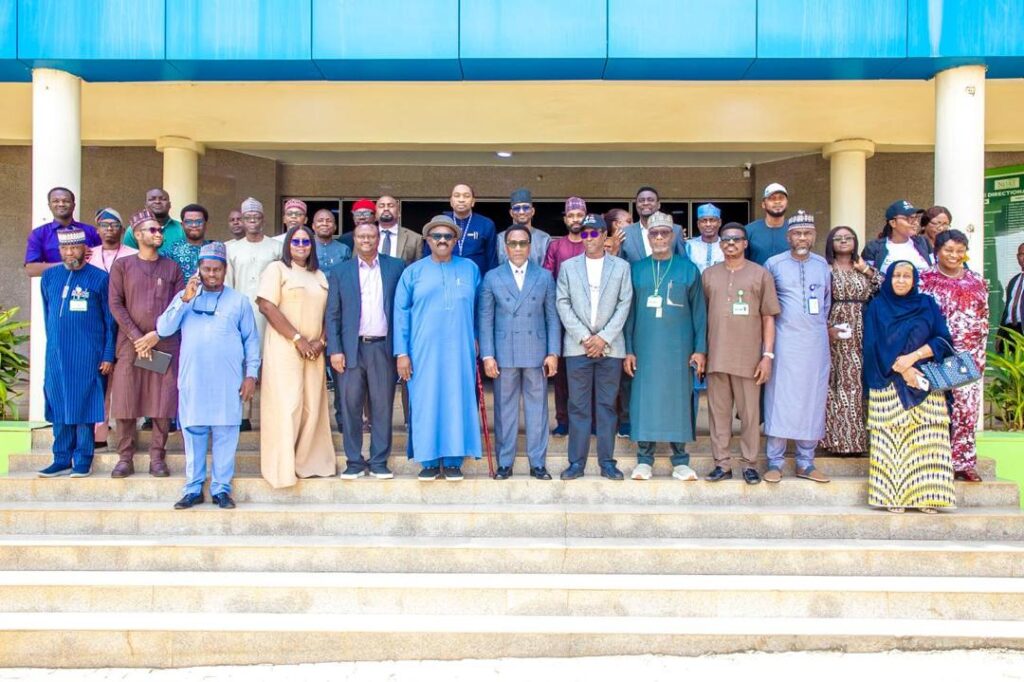
Calling on industry leaders, researchers, financial institutions, and development partners, the NiMet Director General urged stakeholders to partner the agency in expanding Nigeria’s observation capacity and improving climate services.
He described the theme of the celebration as a call to action, stressing that investments made today in meteorological data and infrastructure would play a critical role in protecting lives, property, and the nation’s economic future.
Anosike reaffirmed NiMet’s commitment to advancing weather and climate science, strengthening partnerships, and delivering reliable forecasts to support national development.