

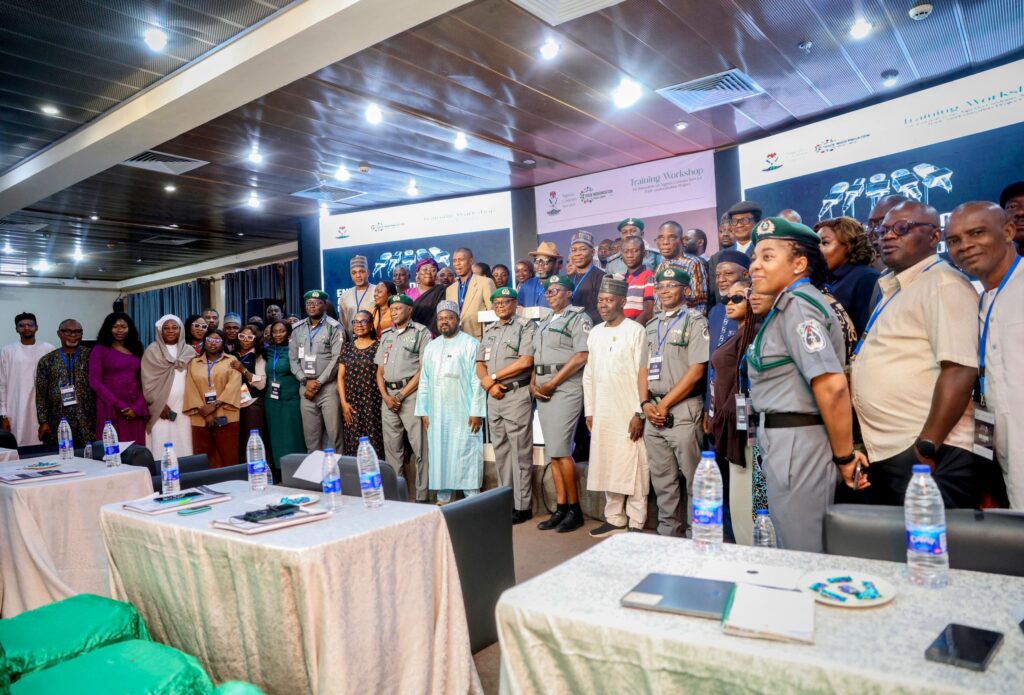
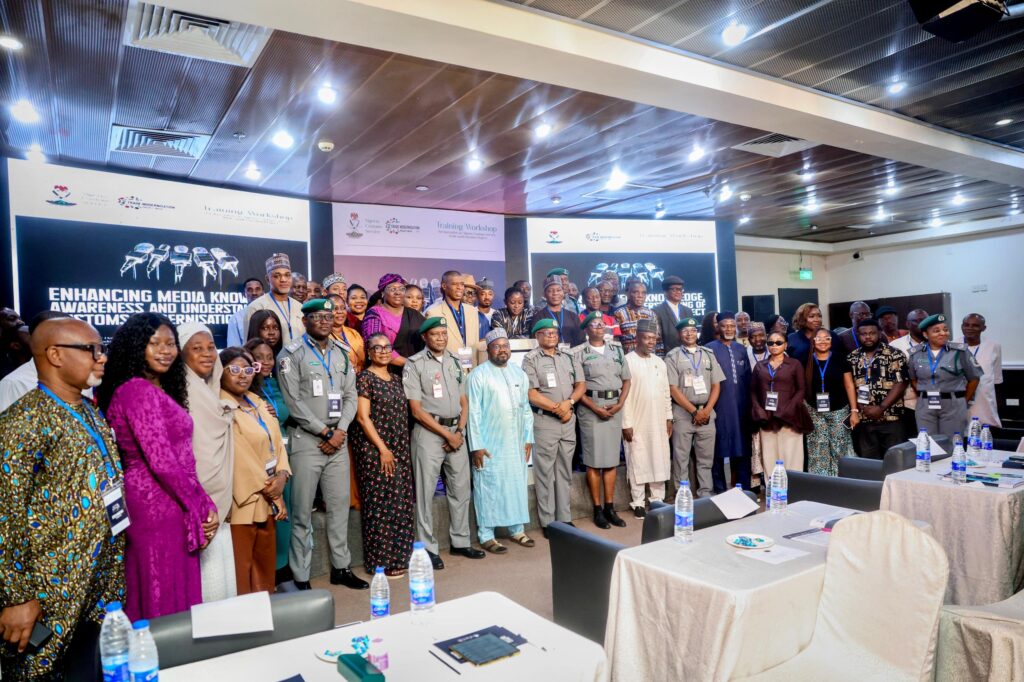
The Nigeria Customs Service (NCS) has intensified efforts to deepen public understanding of its sweeping institutional reforms, launching a four-day capacity-building workshop for journalists in Abuja focused on its Trade Modernisation Project and digital transformation drive.
The workshop, themed “Enhancing Media Knowledge and Understanding of Customs Modernisation Project”, drew participants from media organisations nationwide, underscoring the Service’s commitment to stakeholder engagement.
Declaring the session open on behalf of the Comptroller-General of Customs, Adewale Adeniyi, the Deputy Comptroller-General in charge of Enforcement, Inspection and Investigation, Timi Bomodi, emphasised the crucial role of the media in driving successful reforms.
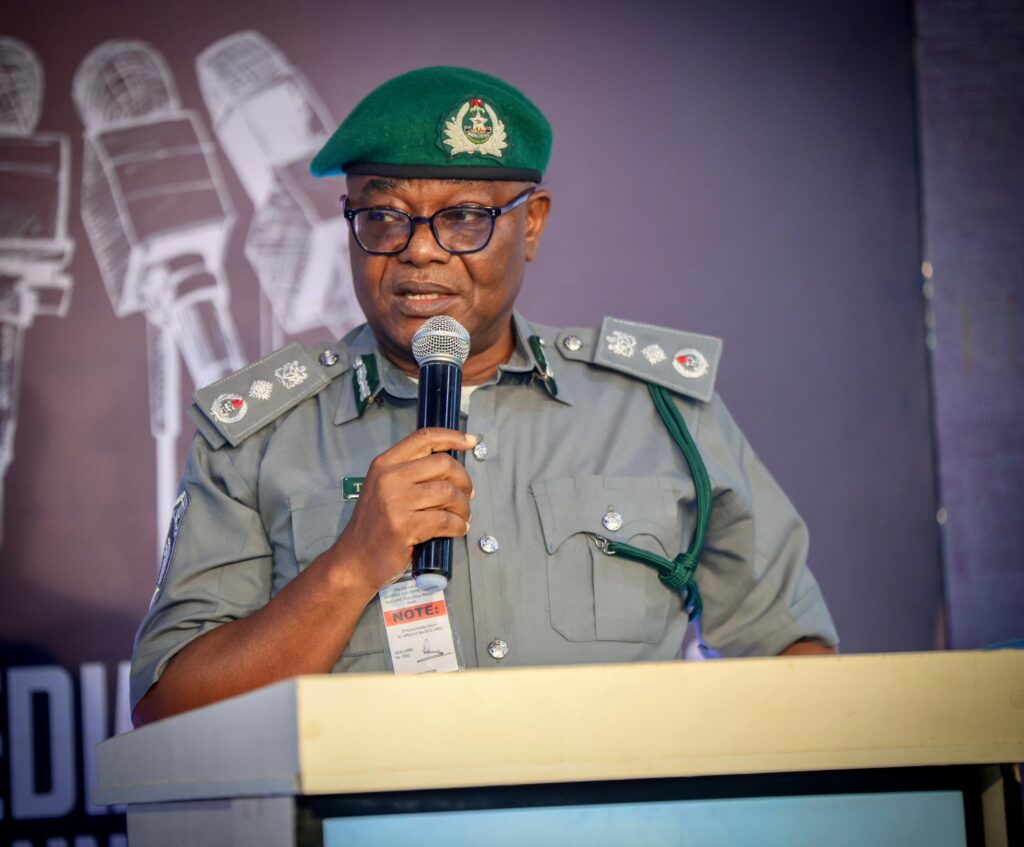
According to him, the pace and scale of ongoing changes within the Service make it imperative for journalists to fully grasp the objectives and expected impact of the transformation agenda.
“A lot is happening within the Service, and sometimes it may be difficult for stakeholders to keep pace with the speed of these developments. That is why engagements like this have become necessary”, Bomodi said.
He described the Trade Modernisation Project as a cornerstone reform designed to eliminate inefficiencies, streamline procedures, and foster a predictable business environment.
“The Trade Modernisation Project sits at the centre of our transformation journey. Through digital platforms, automation, and systems integration, we are building a Customs administration that is efficient, transparent, and globally competitive”, he added.
Bomodi stressed that reforms of such magnitude require strong public understanding, noting that the media serves as a vital bridge between institutions and citizens.
“When change happens, stakeholders must understand not just what is changing, but why it is changing. That is where the media becomes indispensable”, he said.
Earlier, the National Public Relations Officer, Abdullahi Maiwada, explained that the training was structured to equip journalists with practical insights into the modernisation project and broader reforms.
“In this era of global trade and technological advancement, it has become necessary to carry critical stakeholders, particularly the media, along in this journey of transformation”, Maiwada noted, adding that accurate reporting is essential to the success of the initiative.
Also speaking, the Executive Director of Trade Modernisation Project Limited, Ahmad Ogunsola, urged participants to engage actively and seek clarity on all aspects of the project to ensure informed reportage.
“Our objective is to answer as many questions as possible and ensure that participants leave with a deeper understanding of the project and its impact on trade facilitation in Nigeria”, he said.
Other top officials present included the Deputy Comptroller-General in charge of ICT/Modernisation, Oluyomi Adebakin, and the Assistant Comptroller-General in charge of Headquarters, Muhammad Shu’aibu.
Technical sessions were delivered by senior officers, including Deputy Comptroller Nafi’u Salihu, who presented on the Integrated Non-Intrusive Inspection System, alongside Assistant Comptroller Bukola Omoniyi and other experts.
The training, which began on May 6, is scheduled to conclude on May 9, 2026, marking another step in the Service’s push to align with global best practices in trade facilitation and administration.