

Stakeholders in Nigeria’s transport sector have renewed calls for urgent integration of the country’s fragmented transport systems, warning that continued overreliance on road infrastructure is undermining economic growth and sustainability.
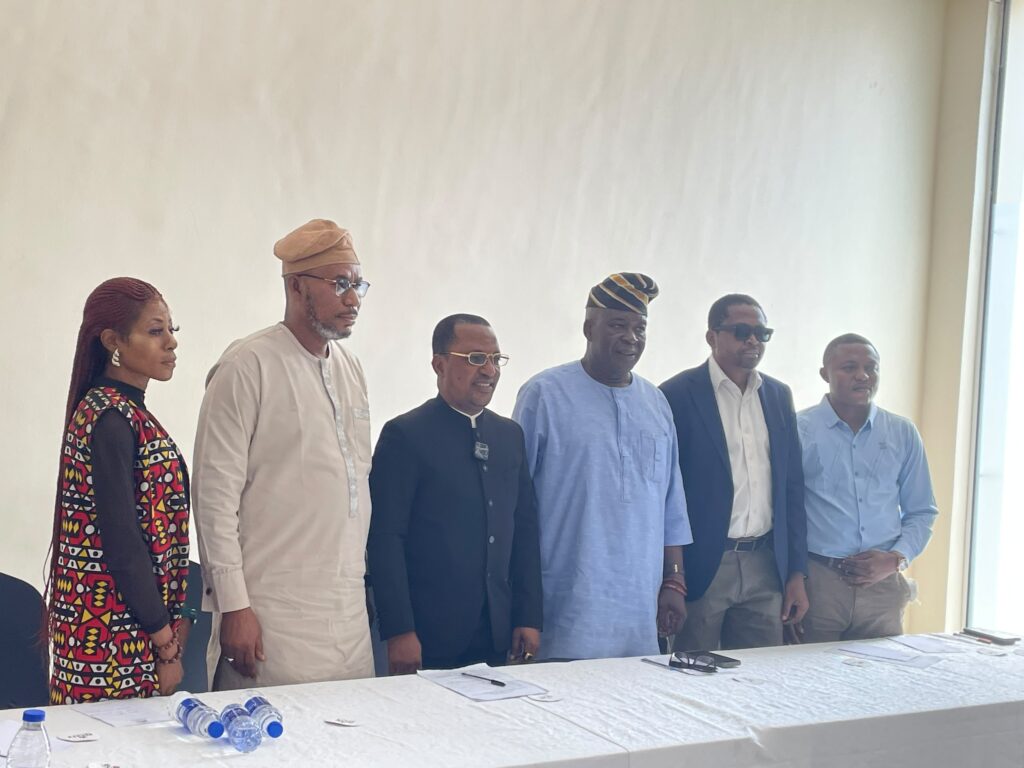
This formed the crux of discussions at a press conference ahead of the 4th Global Transport Policy (GTP) Annual Multimodal Round Table scheduled for June 17, 2026, at the Marriott Hotel, Ikeja, Lagos.
Chairman of Widescope Group, Dr. Segun Musa, stressed that government alone cannot drive the transformation of Nigeria’s transport sector, urging private and non-state actors to play a more active role.
“This is the 4th edition, and it is becoming increasingly clear that government cannot do it all. We must collectively position the transport sector to revamp the economy rapidly”, Musa said.
He noted that this year’s theme, “Transforming Nigeria’s Transport System: Integrating Solutions for Safety, Efficiency and Sustainability”, reflects a growing consensus that isolated development of transport modes is no longer viable.
According to him, the roundtable will focus on three critical sub-themes: investment in a resilient workforce, seamless mobility for economic growth, and safe, smart mobility for a greener future.
Musa emphasised that Nigeria’s current transport challenges stem largely from the overburdening of road infrastructure, advocating a strategic shift of cargo movement to rail and waterways.
“When traffic is concentrated on one mode, especially roads, it becomes overwhelmed regardless of investment. Integration is the only sustainable solution”, he added.
Also speaking, Professor Iyiola Oni of the University of Lagos underscored the economic inefficiencies caused by poor coordination among transport modes and institutions.
He noted that billions of dollars invested in roads are being undermined by heavy cargo movement that should be handled by rail systems.
“We must stop treating transport modes in isolation. A comprehensive multimodal system is the only way to reduce congestion, cut costs, and improve efficiency”, Oni said.
He further called for clearer institutional roles across ministries and agencies, as well as reforms in road ownership structures, noting that over 60 per cent of Nigeria’s roads are under local governments with limited capacity.
Chief Operating Officer of Global Transport Policy (GTP), Mr. Mark Onuchi, said the roundtable would serve as a platform for fostering collaboration among industry players, innovators, and policymakers.
He revealed that the event would bring together ecosystem builders and global experts to develop actionable strategies and a communique to guide government policies.
“We are looking at building an integrated ecosystem where road, rail, and water transport systems work together seamlessly”, Onuchi said.
The event is expected to attract over 400 participants, including top government officials, industry leaders, and international stakeholders, with discussions aimed at charting a sustainable path for Nigeria’s transport future.