



Nigeria’s ambition for sustainable economic growth will remain elusive unless urgent reforms are implemented across the logistics and transportation value chain, industry leaders have warned, citing poor infrastructure, policy inconsistency and rising operating costs as major impediments to business competitiveness.
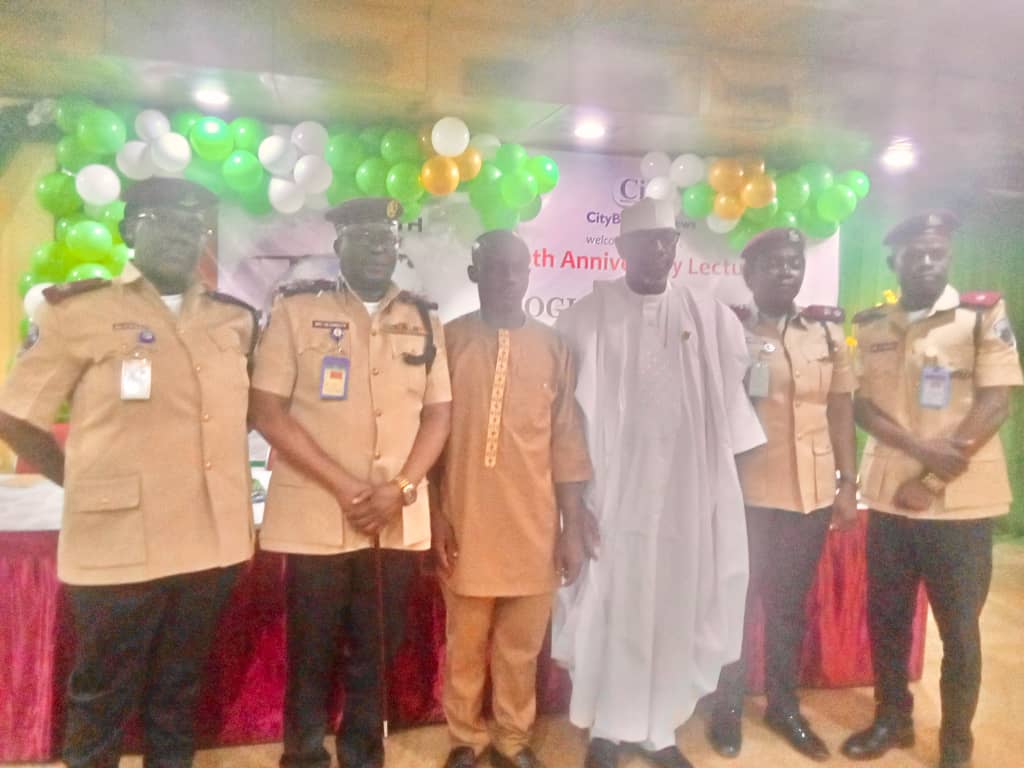
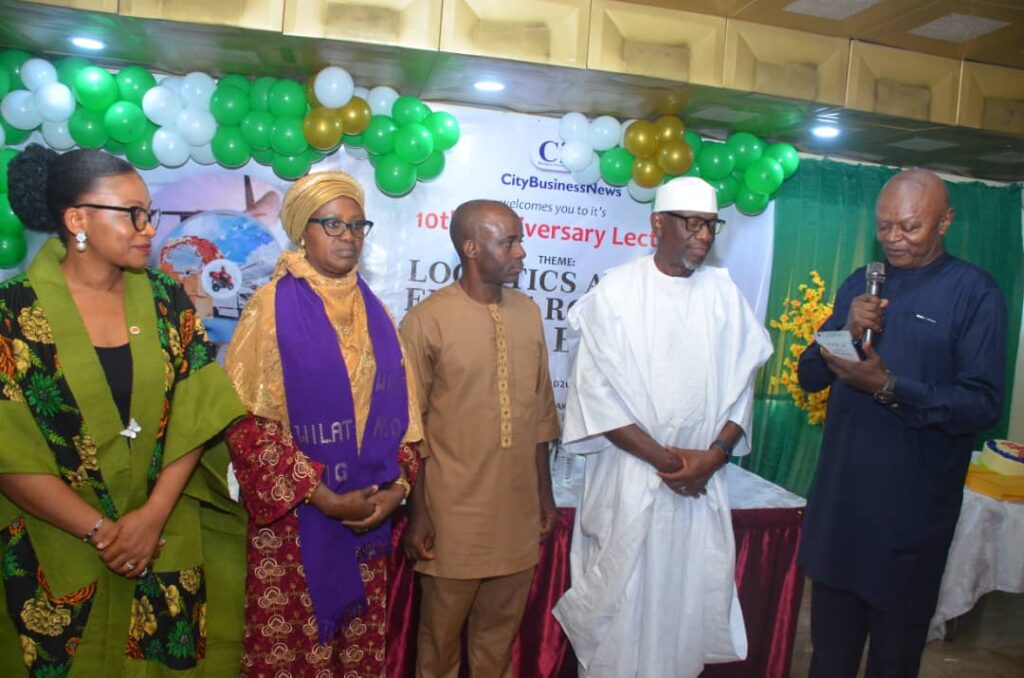
The call was made by President of the Chartered Institute of Logistics and Transport (CILT) Nigeria and former Corps Marshal of the Federal Road Safety Corps (FRSC), Dr. Boboye Oyeyemi, and Founder of ABC Transport Plc, Mr. Frank Nneji, during the 10th anniversary celebration of City Business News Online in Lagos, recently.
Speaking on the theme, “Logistics as the Engine Room of Nigeria’s Economy”, Oyeyemi described logistics as the backbone of economic activity, stressing that efficient movement of goods and services is fundamental to production, trade and national development.
He explained that logistics extends beyond transportation to encompass supply chain management, warehousing, storage, distribution and coordination, making it one of the most strategic sectors for economic transformation.
Oyeyemi identified poor road infrastructure, inadequate rail connectivity, underutilised inland waterways, multiple checkpoints, soaring diesel prices, weak storage facilities and inconsistent government policies as key factors undermining Nigeria’s logistics ecosystem.
According to him, over 90 per cent of freight and passenger movement in Nigeria is still dependent on road transport, placing excessive pressure on highways, increasing transportation costs and reducing overall efficiency.

He expressed concern over post-harvest losses in the agricultural sector, revealing that nearly 40 per cent of farm produce is lost before reaching consumers due to poor road networks, transportation delays and inadequate cold-chain infrastructure.
“The Middle Belt remains the food basket of the nation, yet a significant percentage of agricultural products perish before reaching markets because of poor roads, transportation delays and inadequate storage facilities”, he said.
Oyeyemi noted that the losses run into billions of naira annually, worsening food inflation and diminishing returns on agricultural investments.
He also decried the impact of rising diesel prices, multiple checkpoints and illegal levies along transport corridors, saying the resulting delays and extortion significantly increase logistics costs, which are eventually transferred to consumers.
To reverse the trend, he advocated the restoration of weighbridges on major highways, increased investment in rail and inland waterway transport, and stronger collaboration among government agencies, professional bodies and private-sector operators.
The former FRSC Corps Marshal further emphasised the need for policy continuity, warning that frequent project abandonment and policy reversals discourage investment and slow economic progress.
While commending ongoing efforts to promote Compressed Natural Gas (CNG) and electric vehicles, Oyeyemi urged the government to sustain the initiative by expanding supporting infrastructure and encouraging wider adoption of cleaner energy solutions in the transport sector.
Earlier, Publisher of City Business News Online, Mr. Moses Ebosele, said the anniversary theme was chosen to underscore the growing importance of logistics in enhancing economic competitiveness, facilitating trade and driving industrial development.
He observed that Nigeria’s aspiration to become a leading logistics hub in Africa would require sustained investments in infrastructure, technology, multimodal transportation systems and far-reaching policy reforms.
Nneji who chaired the occasion, described transportation and logistics as indispensable pillars of national development, urging the Federal Government to prioritise the road sector, which remains the country’s primary mode of passenger and freight movement.
He also advocated accelerated road concession programmes and greater private-sector participation in infrastructure development, noting that improved transport networks would lower logistics costs, enhance productivity and strengthen Nigeria’s global competitiveness.
Participants at the event agreed that eliminating logistics bottlenecks, strengthening transport infrastructure and ensuring policy consistency are crucial to reducing the cost of doing business and unlocking Nigeria’s long-term economic potential.