


A payment arrangement between Nigerian airlines and the Nigeria Civil Aviation Authority (NCAA) over outstanding Ticket Sales Charge (TSC) obligations was progressing before a labour dispute interrupted the process, the Executive Chairman of United Nigeria Airlines, Prof. Obiora Okonkwo, has said.
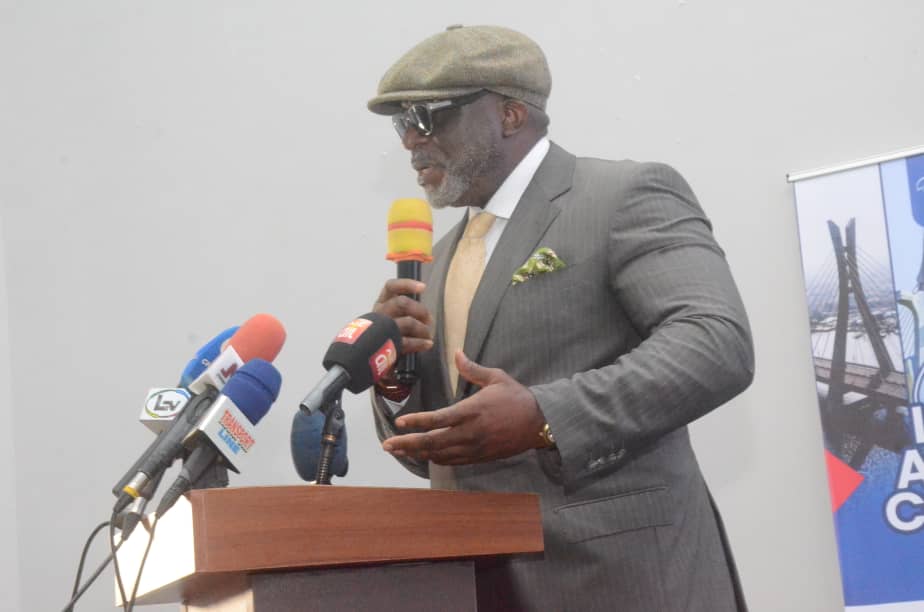
Okonkwo, who is also the spokesperson of the Airline Operators of Nigeria (AON), made the disclosure on Thursday at the 30th Annual Conference of the League of Airport and Aviation Correspondents (LAAC) in Lagos, where he challenged claims that domestic airlines had simply refused to remit the five per cent TSC to the regulatory authority.
Speaking on the conference theme, “Towards a Sustainable Aviation Industry: Balancing Government Revenue Demands with Sector Growth”, he said airlines had been meeting their financial obligations until rising operating costs, particularly aviation fuel prices, put significant pressure on their finances.
According to him, payment difficulties emerged after the cost of aviation fuel climbed to N3,300 amid the US-Iran crisis, prompting AON to approach the Federal Government for relief from regulatory charges.
“Before February this year, there were no payment problems. All airlines were paying. The AON issue only became a problem because of the Gulf crisis. AON was the first to cry out.
“We wrote to the President, explaining that we could no longer pay these charges. We requested either a complete suspension of charges or temporary relief during the aviation crisis, and the request was granted. The President agreed and waived 30%”, Okonkwo disclosed.
He said the presidential waiver was followed by meetings between airline operators, the NCAA and the Ministry of Aviation and Aerospace Development to work out a structured repayment plan for outstanding obligations.
Okonkwo explained that the NCAA had asked airlines to pay 10 per cent of their legacy debts within a specified period and settle the balance through instalments, with individual operators meeting with the authority’s Director of Finance to agree on payment schedules.
“The airlines complied with this directive. The airlines did this. The director met with operators in Lagos and Abuja, and we developed a payment plan.
“This plan was in place. When you have a payment plan in place, it does not mean you will default. We were making regular payments according to the agreement we had with the NCAA until we heard about the labour union problem”, he said.
To demonstrate its commitment to the arrangement, Okonkwo said United Nigeria Airlines introduced an additional mechanism to ensure that its obligations to the NCAA were met without delay.
“At United Nigeria, to ensure no issues, we opened joint accounts with NCAA at Nigerian banks. The account was structured so NCAA could withdraw funds directly without asking us,” he explained.
The AON spokesperson consequently rejected the characterisation of airlines as non-compliant operators, arguing that attention should also be paid to the substantial amounts already remitted by carriers.
“When people discuss money not remitted or paid by operators, they fail to mention how much operators do pay. When they talk about unpaid money, I ask: what have you done with all that we have already paid? That is the proof, and that is my concern”, he said.
He further questioned the value airlines derive from some of the regulatory charges imposed on them, particularly the 5% TSC, against the backdrop of other costs already borne by operators.
“Beyond what we pay, we do not receive adequate value. When different stakeholders and agencies are asked to explain this, they simply say the government takes a large chunk of this money. The question is: for what”?
Okonkwo pointed out that airlines sometimes pay separately for regulatory services, citing overseas aircraft inspections as an example.
“Most of you here know that money charged is supposed to provide recovery. When we request NCAA to inspect our aircraft in London or America, they come, and we pay them. We do all this 100% in advance. But when you speak of a 5% charge, it remains unclear”, he said.
He argued that the five per cent charge was excessive, particularly for airlines operating under significant financial pressure and already paying other taxes and charges.
“When you take 5% of any business, a business I borrowed money to run, a business that costs me sleepless nights, that is too much for anyone to extract from it. And this is on top of taxes we already pay.
“The call for removal of this 5% must not stop. It must continue until we remove it. We would not be able to have smooth operations until this is resolved”, he said.
On the labour dispute, Okonkwo said the unions’ desire to protect the welfare of aviation workers was understandable, but maintained that airlines remained among the better-paying sectors in the country.
He, however, strongly criticised the manner in which the dispute was handled, particularly the disruption at the airport.
“That shameful display at the airport by unions would have brought us to our lowest point if not for the reactions and condemnation from so many gathered here”, he said.
Okonkwo commended the President of the Aviation Round Table for publicly condemning the incident and praised aviation correspondents for what he described as fair reporting of the dispute.
“I especially commend the Aviation Roundtable President whose loud voice was heard worldwide. I also commend aviation reporters who reported fairly, but we expected condemnation from quarters that should have known better but that did not come and we remain concerned”, he added.