



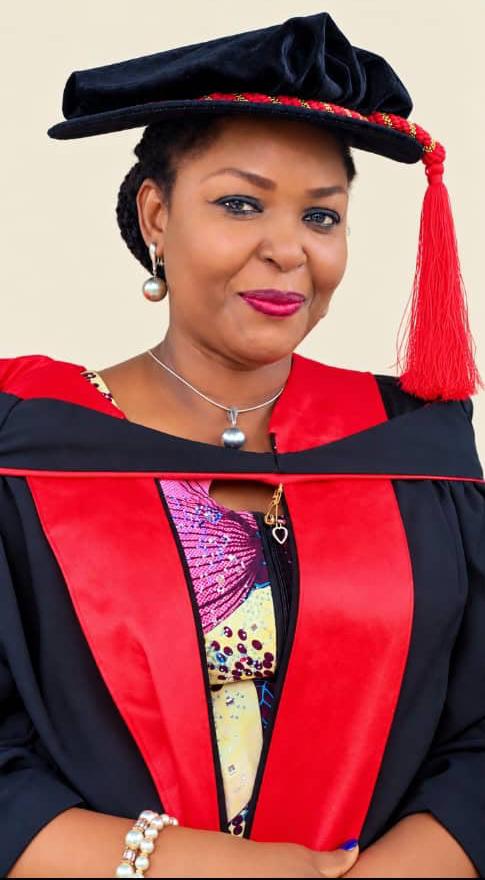
Flora Field College, Awka, Anambra State, has secured approval as a Cambridge International School, marking a significant milestone in the institution’s development and expanding its educational opportunities for learners.
The approval opens the way for students to access internationally recognised Cambridge programmes, including Lower Secondary Checkpoint, the International General Certificate of Secondary Education (IGCSE), and AS & A Level qualifications.
The development represents another chapter in the educational journey of the school’s founder, Dr. Ngozi Florence Manafa, whose work spans school administration, teacher development, inclusive education, educational research and institutional leadership.
It also builds on the foundation established by Flora Field Montessori School, which celebrated its 10th anniversary in 2025, marking a decade of growth, learning and educational service.
For Manafa, the journey has been about more than establishing schools. It has involved developing teachers, engaging parents, strengthening educational systems and creating learning environments where children can discover their abilities and prepare for the future.
From Montessori Foundation to Institutional Growth
When Flora Field Montessori School began operations, its vision was to provide an environment where children could learn through exploration, purposeful activities, independence and respect for individual differences.
Over the years, the institution has evolved through the introduction of new learning opportunities, the development of its teaching workforce and efforts to respond to changing educational needs.
The growth also reflects Manafa’s expanding understanding of education as a system in which curriculum, teaching methods, assessment, leadership, inclusion and parental engagement work together to support learners.
This philosophy informed the development of Flora Field College, extending the institution’s educational pathway beyond its Montessori beginnings.
The transition represents an effort to provide continuity in learners’ educational experiences while maintaining the institution’s commitment to personal development and effective teaching.
Cambridge Approval Opens New Opportunities
The Cambridge International School status is an important step in Flora Field College’s development, reflecting its ambition to broaden learning opportunities and respond to the changing demands of contemporary education.
Achieving this milestone involves institutional preparation, organisation and sustained attention to educational standards.
For Manafa, the development forms part of a longer process of building the school’s capacity and strengthening its educational direction.
The Cambridge pathway adds an international dimension to the institution’s growth, complementing the educational foundation established through Flora Field Montessori School.
Academic Training Meets Practical Experience
Manafa’s professional journey combines academic scholarship with practical experience in school administration and development.
She holds a PhD in Educational Management, with a specialisation in Foundations of Education, alongside other academic and professional qualifications.
Her areas of interest include educational leadership and administration, Montessori and early childhood education, inclusive education, teacher development, learner development, school improvement, educational management and policy, and sustainability and environmental education.
Her experience in establishing and developing educational institutions has provided opportunities to apply these interests to everyday school operations.
Managing a school involves coordinating teachers, supporting learners, engaging parents, resolving challenges and establishing systems that enable an institution to function effectively.
For Manafa, these responsibilities have reinforced the relationship between educational theory and practice, highlighting the importance of translating research and professional knowledge into meaningful improvements in schools.
Championing Inclusive, Learner-Centred Education
Inclusive education is another important aspect of Manafa’s professional interests.
Her educational philosophy recognises that children have different abilities, interests, personalities and learning needs, and that they do not necessarily learn at the same pace or respond to identical teaching methods.
This understanding places responsibility on educators to create learning environments in which individual differences are recognised and learners receive appropriate support.
Rather than allowing differences to become barriers to participation, inclusive education encourages teachers to adapt their approaches and provide meaningful opportunities for children to develop.
The approach also underscores the importance of equipping teachers with the knowledge and skills required to manage diverse classrooms and respond effectively to individual learning needs.
Developing Teachers to Strengthen Schools
Beyond classroom instruction, Manafa’s professional engagement includes teacher training, mentoring and capacity development.
Her approach recognises that the quality of education depends significantly on the people delivering it.
Teachers require more than subject knowledge. They also need an understanding of child development, classroom management, learner-centred instruction and inclusive teaching practices.
Professional development, therefore, should be an ongoing process rather than an occasional activity.
By promoting continuous learning among educators, Manafa’s approach seeks to strengthen classroom practice and build the capacity of schools to respond to changing educational demands.
The emphasis on teacher development also reflects a wider institutional principle: sustainable school improvement depends on investing in the people responsible for delivering education.
Education Beyond Examination Results
Manafa’s educational philosophy extends beyond academic performance to the broader development of the child.
While examination results remain important, she places emphasis on other attributes, including confidence, creativity, communication, independence, responsibility, collaboration, critical thinking and leadership.
This whole-child perspective recognises that learners possess different strengths and talents that may emerge through academic work, creative activities, sport, practical tasks, problem-solving or leadership.
It also encourages schools to identify and nurture these abilities while providing support where learners experience difficulties.
The objective is to create an educational environment in which children can develop academically, socially and personally.
Research Focused on Practical Educational Challenges
Manafa’s work as a researcher complements her experience in school administration and teacher development.
Her areas of interest address issues affecting schools, teachers and learners, including effective teaching, inclusive learning, institutional leadership and support for children with different abilities and educational needs.
These concerns have practical implications for school leaders, teachers and parents, particularly as educational institutions respond to changing expectations and increasingly diverse learning environments.
Her engagement with research reflects an interest in understanding these challenges and identifying approaches that can improve educational practice.
A Decade of Growth, With More Ahead
The 10th anniversary of Flora Field Montessori School in 2025 marked a significant point in the institution’s development, while the Cambridge International School approval of Flora Field College represents another milestone in its continuing evolution.
Together, the developments illustrate the progression of an educational vision that began with Montessori learning and has expanded to embrace broader academic opportunities.
For Manafa, the journey encompasses several interconnected responsibilities: establishing and managing schools, developing teachers, supporting learners, engaging families and strengthening the systems that sustain educational institutions.
As Flora Field continues to build on its foundation, the institution’s development remains closely linked to Manafa’s commitment to education as a means of nurturing individual potential and preparing young people for life.
Her professional journey reflects an approach to educational leadership that combines scholarship, practical experience and institution building, with an emphasis on creating environments where learners and teachers can continue to grow.