


ADDIS ABABA, Ethiopia — November 2026
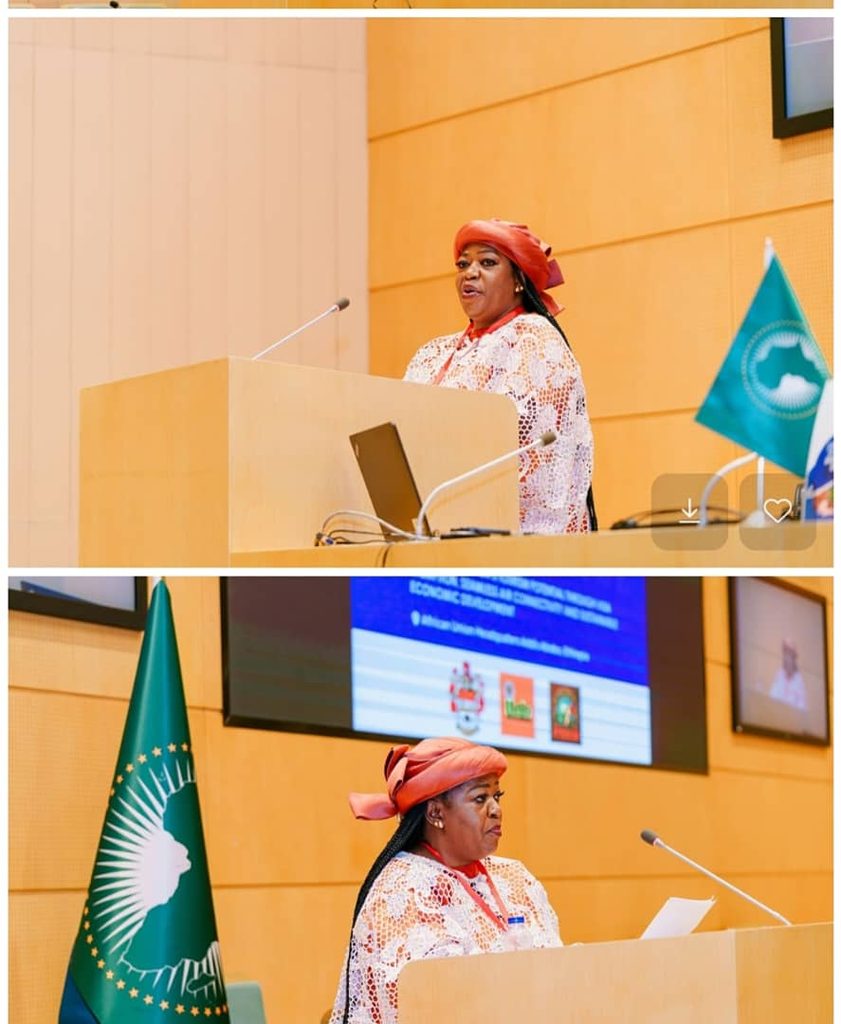
A Nigerian maritime and coastal tourism expert, Dr. Chizoba Christiana Anyika, has urged African governments to integrate water security, safe sanitation and sustainable tourism into their development strategies, describing them as critical drivers of economic transformation and the realisation of the African Union’s Agenda 2063.
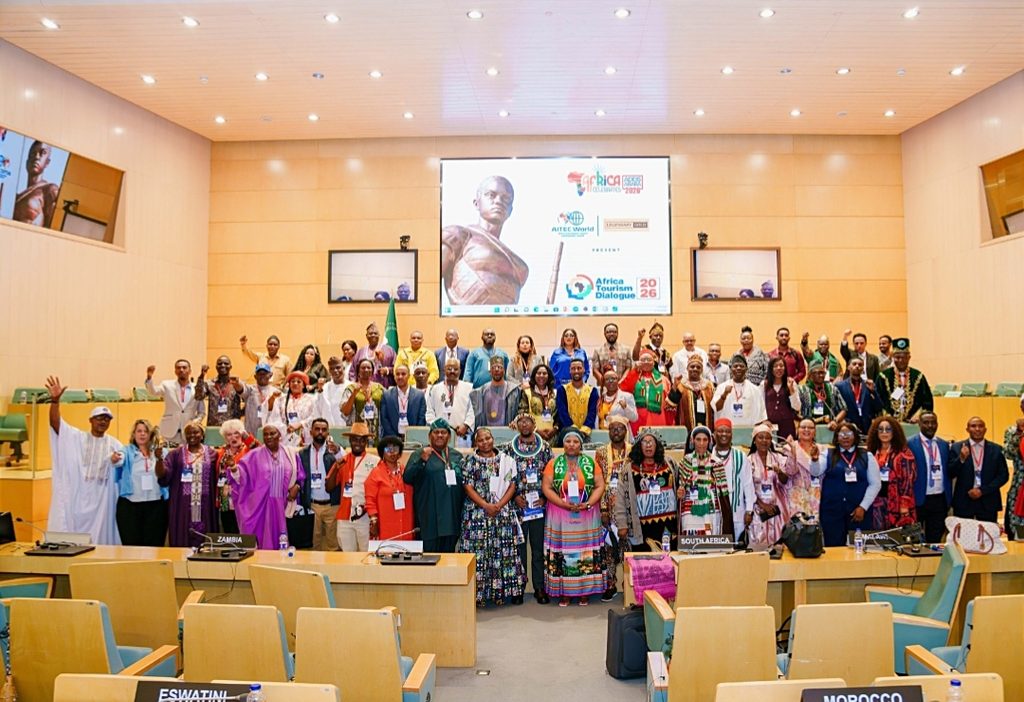
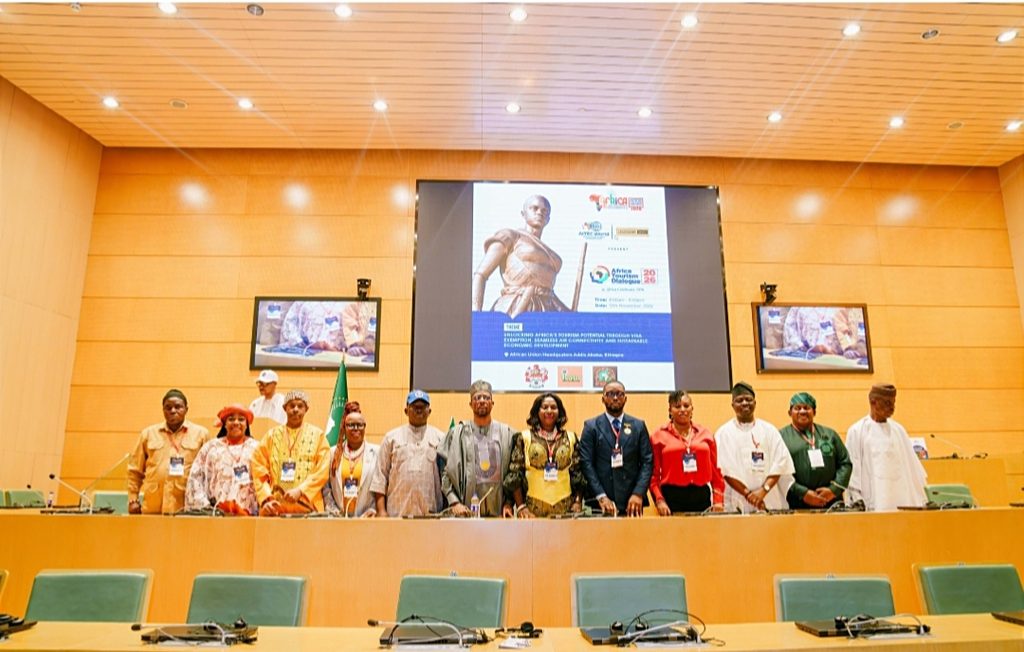
Anyika made the call while participating as a guest speaker at the African Tourism Dialogue held at the African Union Headquarters in Addis Ababa, Ethiopia, where she presented a paper titled “Unlocking Africa’s Tourism Potential Through Water Security and Safe Sanitation”.
Her presentation was in line with the African Union’s 2026 Theme of the Year, “Assuring Sustainable Water Availability and Safe Sanitation Systems to Achieve the Goals of Agenda 2063″, which highlights the importance of sustainable water management, improved sanitation and resilient infrastructure in advancing Africa’s socioeconomic transformation.
Speaking on the relationship between water sustainability and tourism competitiveness, Anyika maintained that Africa’s ambition to emerge as a leading global tourism destination must be backed by adequate water infrastructure, environmental protection and effective governance.
She argued that water security should no longer be treated exclusively as an environmental or public health concern but recognised as a critical economic development priority with far-reaching implications for tourism investment, destination competitiveness and community prosperity.
“Africa cannot build globally competitive tourism destinations while host communities struggle with inadequate access to clean water, poor sanitation and environmental degradation.
“Sustainable tourism must create value for both visitors and the communities that sustain these destinations”, she stated.
Tourism Development and the Agenda 2063 Imperative
Drawing attention to the African Union’s long-term development blueprint, Anyika explained that tourism could make significant contributions to Agenda 2063’s Aspiration 1, which envisions a prosperous Africa based on inclusive growth and sustainable development.
She noted that developing sustainable tourism destinations would stimulate growth across several interconnected sectors, including transportation, hospitality, agriculture, fisheries, renewable energy, cultural industries and digital services.
The maritime expert stressed the need for Africa to move beyond promoting its natural attractions to building competitive, environmentally responsible and investment-ready tourism destinations.
To achieve this, she advocated stronger collaboration among ministries and institutions responsible for tourism, water resources, transportation, environment, maritime affairs and investment promotion.
According to her, effective inter-agency coordination would help translate continental development commitments into practical infrastructure projects, employment opportunities and measurable economic outcomes.
Blue Economy, Coastal Tourism as Drivers of Inclusive Growth
Highlighting Africa’s enormous blue economy potential, Anyika identified marine and coastal tourism as important avenues for economic diversification, particularly for countries endowed with extensive coastlines, rivers, lakes and wetlands.
She observed that Nigeria’s coastal states, including Lagos, Ogun, Ondo, Delta, Bayelsa, Rivers, Akwa Ibom and Cross River, possess considerable opportunities for sustainable waterfront development, marine recreation, ecotourism and community-based tourism enterprises.
However, she cautioned that the economic potential of these destinations could only be fully realised through deliberate investments in water infrastructure, sanitation, visitor safety, environmental conservation and responsible destination management.
Anyika also emphasised that tourism development must deliver tangible benefits to host communities, particularly women, young people, small businesses and indigenous entrepreneurs.
She consequently advocated inclusive tourism policies that promote skills development, access to financing, local enterprise participation and sustainable employment, stressing that communities must be active participants and beneficiaries of the tourism value chain.
Water Security Critical to Tourism Competitiveness
Addressing the broader implications of the African Union’s 2026 theme, Anyika described water availability and sanitation infrastructure as fundamental requirements for building resilient tourism economies across the continent.
She warned that polluted beaches, inadequate waste management, unsafe water supplies and deteriorating aquatic ecosystems could diminish the attractiveness of tourist destinations, discourage investment and pose serious public health risks.
She therefore urged African countries to incorporate sustainable water management, climate resilience and environmental safeguards into their national tourism development strategies.
The expert further called for increased public-private partnerships to drive investments in water-efficient hospitality infrastructure, sustainable coastal development, improved sanitation systems and responsible resource management.
Anyika Seeks Shift from Tourism Potential to Productivity
On translating continental aspirations into measurable outcomes, Anyika stressed that the success of Agenda 2063 must ultimately be reflected in tangible improvements in infrastructure, economic opportunities, environmental sustainability and the wellbeing of African communities.
She recommended that tourism performance should be assessed beyond conventional indicators such as visitor arrivals and tourism receipts to include employment creation, local economic participation, environmental protection and measurable community benefits.
She also encouraged African policymakers to establish investment frameworks capable of attracting responsible private capital into sustainable tourism infrastructure and blue economy enterprises.
“Africa must move from tourism potential to tourism productivity, from policy declarations to practical implementation, and from resource abundance to shared prosperity”, she emphasised.
African Tourism Dialogue Advances Continental Development Priorities
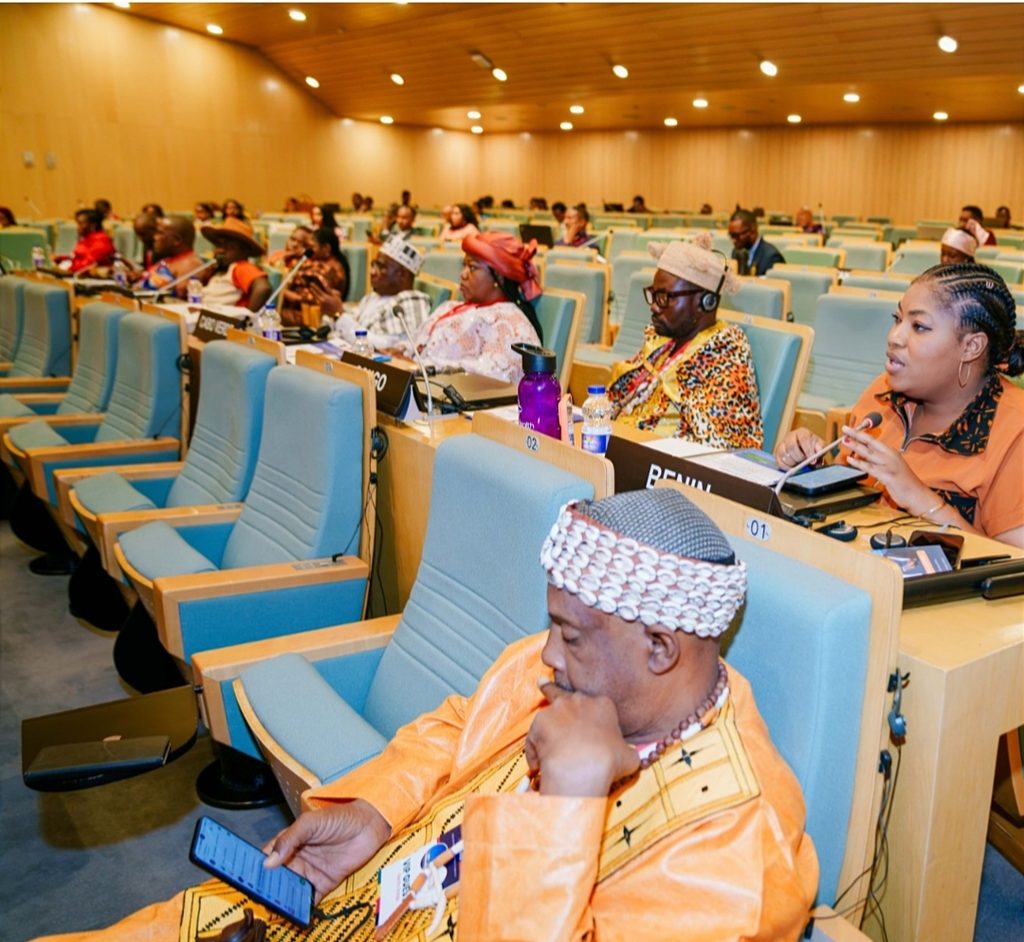
The African Tourism Dialogue provided a platform for discussions on the continent’s tourism development priorities, sustainable infrastructure, regional connectivity and opportunities for strengthening Africa’s competitiveness in the global tourism market.
Anyika’s contribution reinforced the need to situate tourism within broader continental development frameworks, particularly the African Union’s Agenda 2063 and its aspirations for inclusive economic growth, environmental sustainability and regional integration.
Her presentation also highlighted the importance of aligning tourism investments with the United Nations Sustainable Development Goals (SDGs), particularly SDG 6 on clean water and sanitation; SDG 8 on decent work and economic growth; SDG 11 on sustainable cities and communities; and SDG 14 on life below water.
She concluded by urging African leaders to embrace an integrated development approach in which water security, sustainable tourism and the blue economy function as mutually reinforcing drivers of economic transformation.
Anyika is a Deputy Director at the Nigerian Maritime Administration and Safety Agency (NIMASA), with extensive professional experience in maritime administration, transport logistics and industry development.
She holds a PhD in Transport Logistics, specialising in Marine Tourism, and a Master of Science degree in Marine Policy from Cardiff University, United Kingdom.
Anyika is a Fellow of the Chartered Institute of Logistics and Transport, the Chartered Institute of Transport Administration of Nigeria and the Nigerian Institute of Shipping. She is actively involved in professional leadership, capacity development and advocacy for women’s participation in the maritime, energy and transport sectors.
She is also the Convener and Presenter of Blue Horizon, a platform dedicated to advancing economic diversification through strategic marine, coastal and sustainable tourism development across Africa.
Her participation at the African Tourism Dialogue reflects her continuing commitment to promoting policy-driven, inclusive and sustainable development of Africa’s tourism and blue economy sectors.