



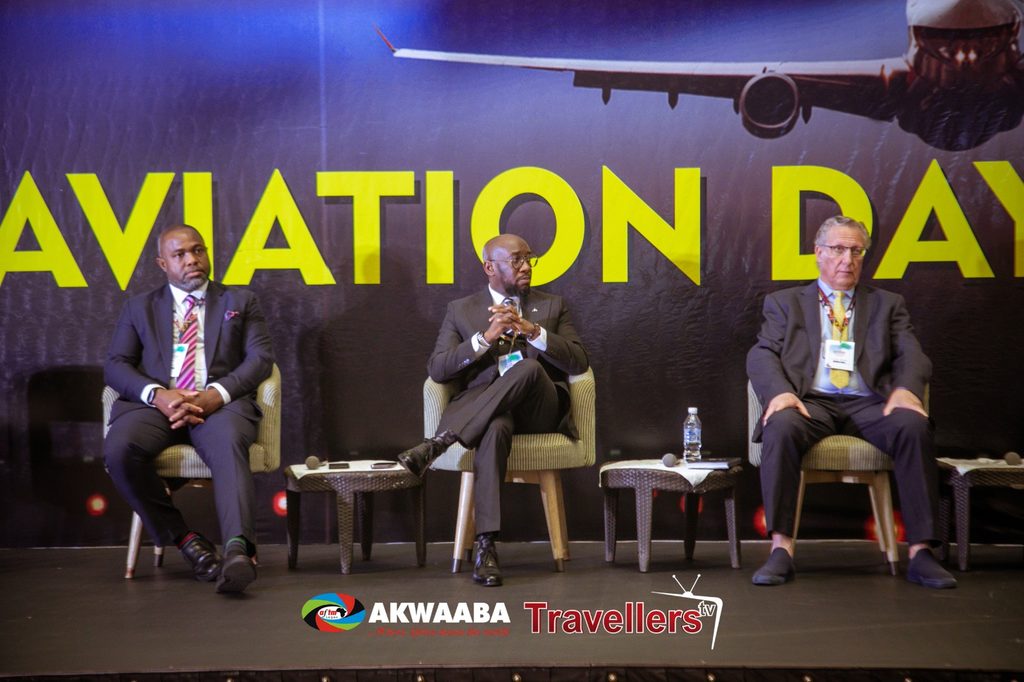
Sporting events should be deliberately packaged as tourism and economic-development platforms capable of generating jobs, supporting businesses and promoting African destinations, tourism expert Dr. Kweku Tandoh has said.
Tandoh, who made the submission in a presentation titled “Hosting of Sporting Events and Its Impact on Tourism” in September 2026, said the value of a sporting event should go well beyond what happens inside the stadium.
According to him, competitions attract athletes, coaches, officials, media organisations, sponsors and spectators, all of whom require accommodation, transportation, food, entertainment, shopping and other experiences.
He therefore challenged destination managers and policymakers to move beyond asking whether a destination could host an event and instead consider how such an event could be converted into a platform for tourism and economic development.
Beyond the Stadium
Tandoh explained that the economic impact of sports tourism follows a chain from events to visitors, spending, jobs, destination branding and long-term legacy.
He identified hotels, airlines and other transport operators, restaurants, retailers, artisans, tour operators, media organisations and digital businesses among the beneficiaries of the visitor economy generated by major sporting events.
“The stadium is only one part of the tourism ecosystem”, he noted.
He said visitor spending also circulates through the local economy, as hotels, restaurants and transport companies generate revenue, which translates into income and contracts for workers and suppliers and further economic activity.
Sport as a Destination Advertisement
Tandoh also described sporting events as powerful destination-marketing platforms, particularly because international broadcasts can expose viewers to a host destination’s culture, food, people and attractions.
He said the objective should be to convert people who initially travel to a destination for a competition into tourists who return for leisure, business or cultural experiences.
To achieve this, he advocated packaging sporting events alongside heritage, entertainment, shopping, nature, food and business experiences.
According to him, destinations can also use sporting events to extend the tourism season by scheduling suitable competitions during periods when visitor demand is traditionally low.
Infrastructure Must Outlive the Event
On infrastructure, Tandoh cautioned against investing in facilities that become underused after the final whistle.
He said airports, roads, public transport, stadiums, training facilities, hotels and digital infrastructure should be planned with their post-event usefulness in mind.
He identified access, venues, digital connectivity and hospitality as key areas requiring attention, while stressing the need to avoid “white elephants”.
“Facilities should serve residents, sport, tourism and business after the event”, he said.
Tandoh also called for every major sporting event to have a local skills, small and medium enterprise and youth-participation plan.
He listed event management, hospitality, catering, transport and logistics, security, broadcasting, digital media, tour operations, marketing, sponsorship, retail and entertainment among areas capable of generating employment.
Africa’s Untapped Opportunity
According to Tandoh, Africa has a particular opportunity to combine sport with its rich tourism assets, including wildlife, beaches, heritage, food, festivals, cities and entertainment.
He cited the 2023 Africa Cup of Nations in Côte d’Ivoire as an example of how a major sporting event can generate destination exposure and economic activity.
He also referenced South Africa’s experience with recurring sporting events, arguing that a year-round event calendar can create a more sustained flow of visitors and spending for hotels, restaurants, transport operators, retailers and attractions.
Tandoh said the lesson from such experiences was that sports tourism should become part of destination management rather than being treated solely as an event-management function.
Measure What Remains After the Final Whistle
Tandoh said the success of a sporting event should not be measured only by attendance or the performance of athletes.
He proposed tracking visitor numbers, length of stay, hotel occupancy, visitor spending, jobs created, SME revenue, tax activity, investment, media reach, digital engagement, destination awareness, facility use, officials trained and future events secured.
He also warned that hosting events is not automatically profitable, pointing to risks including cost overruns, underused facilities, traffic congestion, security challenges, environmental pressures and short-term gains.
To address these challenges, he proposed a five-pillar strategy built around Bid, Build, Package, Market and Legacy.
The approach, he explained, requires destinations to target events that fit their tourism calendars and strengths, invest in sustainable infrastructure, connect sporting events with tourism experiences, tell the destination story through media and digital platforms, and measure the long-term value created.
Tandoh said the ultimate shift in mindset should be from simply saying, “We are hosting a sporting event”, to asking how the event can be used to sell the destination and create lasting tourism, economic and social value.
He summed up the argument with a simple message: the final whistle should not mark the end of the benefits of a sporting event, but the beginning of its tourism and economic legacy.