


… says integrated system could cut travel time by 40%
Nigeria is losing an estimated ₦3.2 trillion annually due to persistent inefficiencies in its transport system, the Chairman and Chief Consultant of Global Transport Policy (GTP), Dr. Oluwasegun Musa, has disclosed.
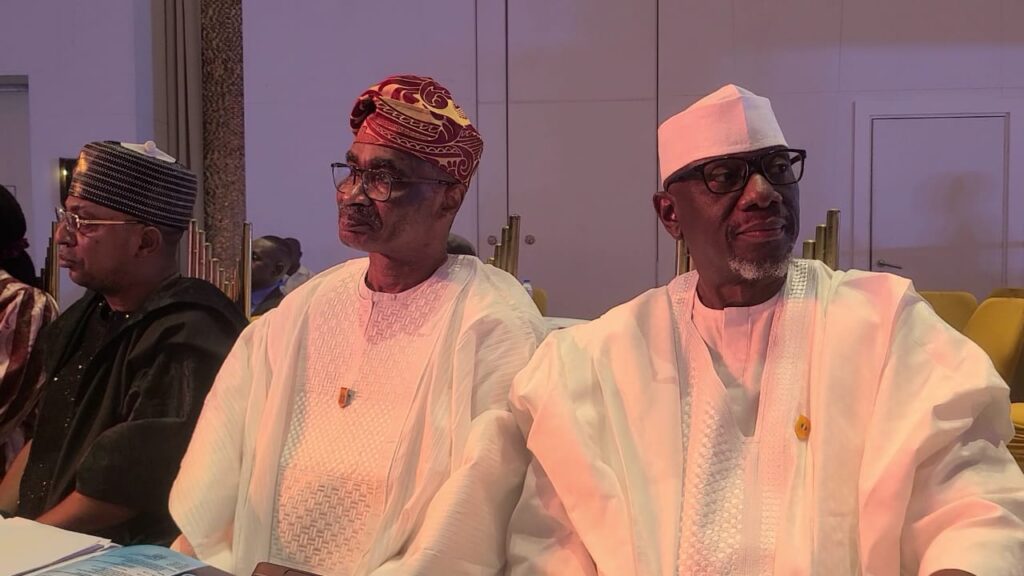
Speaking at the 2026 GTP Multimodal Roundtable, Musa said the losses stem from chronic gridlock, poor integration across transport modes, and fragmented logistics systems, which continue to undermine economic growth and national productivity.
He noted that Nigeria’s logistics cost stands at over 42 per cent of Gross Domestic Product (GDP), far above the global benchmark of less than 15 per cent, describing the situation as unsustainable.
According to him, the overdependence on road transport accounting for more than 90 per cent of freight and passenger movement contrasted sharply with rail, which currently handles less than one per cent, further worsens inefficiencies and inflates costs.
“These are not just statistics; they represent significant economic losses and human tragedies”, Musa said, adding that road accidents alone claim over 12,000 lives annually, with about 70,000 serious injuries recorded each year.
He stressed that the absence of a functional multimodal transport system has led to delays and rising logistics costs, citing a scenario where cargo from Lagos to Kano can take up to two weeks and change hands multiple times before reaching its destination.
Musa, however, said adopting an integrated transport system could reduce travel time by up to 40 per cent and cut logistics costs by between 25 and 30 per cent, with a potential boost of 1.5 per cent to the nation’s GDP.
The GTP chairman also highlighted a critical skills deficit in the sector, revealing that only 18 per cent of transport agencies have fully digitised workforce planning, while the country faces a shortage of over 200,000 trained logistics and multimodal professionals.
On environmental impact, he noted that the transport sector accounts for 28 per cent of Nigeria’s carbon emissions from fossil fuel combustion, a figure rising annually, warning that failure to adopt smart mobility solutions could worsen the situation.
He called for urgent investment in rail infrastructure, institutional capacity, and human capital development, alongside stronger public-private partnerships to drive sustainable transport reforms.
Musa further warned that delays in implementing reforms come at a steep cost, estimating that Nigeria loses about ₦800 billion annually to avoidable logistics inefficiencies.
He urged stakeholders to prioritise integrated transport solutions as a pathway to reducing inflation, enhancing food security, and improving the overall cost of doing business in the country.
The GTP Multimodal Roundtable, he added, is expected to generate actionable strategies to reposition Nigeria’s transport system for safety, efficiency, and sustainability.