


…explains terminal’s proactive safety system
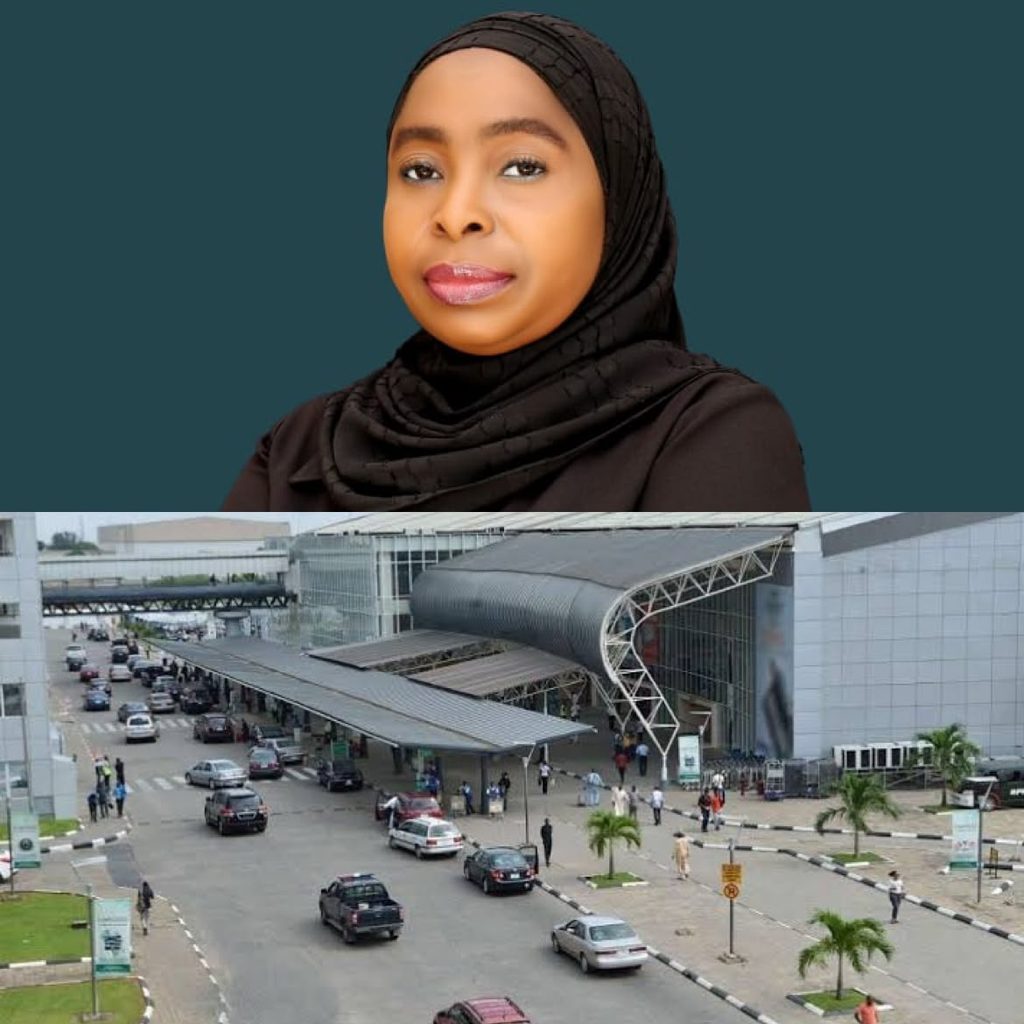
The Head of Safety, Bi-Courtney Aviation Services Limited (BASL), Nafisat Adeniran, has said that at Murtala Muhammed Airport Terminal 2 (MMA2), a safety alert does not have to become an accident before it gets attention.
The terminal uses incident trends, CCTV monitoring, routine inspections and reports of near misses to identify emerging risks and tackle them before they develop into serious incidents.
Adeniran said the approach forms part of the terminal’s proactive Safety Management System (SMS), which places emphasis on identifying warning signs rather than waiting for accidents to occur.
“We don’t wait for an incident to happen before we act”, she said, explaining that information from different parts of the terminal is constantly reviewed for indications of potential hazards.
CCTV footage, for instance, can be reviewed when an incident or unusual occurrence is reported, helping the safety team establish what happened and identify conditions that could lead to a recurrence.
Near misses are equally important.
Adeniran said situations that do not result in injury or damage are still examined because they provide valuable information about weaknesses in existing processes.
The terminal also monitors trends in the types of incidents being recorded. Where a particular pattern begins to emerge, the safety team can investigate the underlying causes and introduce corrective measures.
She identified activities around the airside environment, including aircraft refuelling, aircraft movement and the operation of ground support equipment, as areas requiring continuous attention.
Routine inspections are conducted to ensure that equipment remains in good working condition and that unsafe conditions are identified early.
The same preventive philosophy extends to the terminal’s firefighting and emergency systems.
Adeniran said MMA2 conducts a comprehensive fire and safety risk assessment twice a year, taking the exercise through the terminal on a door-to-door basis.
Fire extinguishers, emergency exits, lighting, occupancy levels and evacuation routes are checked, while emergency doors are tested to determine how quickly they can be opened when required.
The terminal also maintains about 540 firefighting equipment units, according to Adeniran, with replacements or redistribution carried out when equipment is removed for servicing.
Beyond physical equipment, she said the terminal pays close attention to medical emergencies, which have emerged as one of its more frequent incident trends.
This led to an upgrade from a basic first-aid arrangement to an onsite clinic and stabilisation facility.
Paramedics are also encouraged to intervene proactively when passengers appear unwell rather than waiting for them to collapse or request assistance.
Adeniran noted that early-morning passengers can sometimes arrive at the terminal without adequate sleep, food or medication, making early intervention particularly important.
The terminal’s first responder network cuts across different departments, including security, while cleaners are also trained because they may be the first people to discover a passenger who has become ill, particularly in washrooms.
For Adeniran, the objective is simple: every incident, near miss or warning sign should provide an opportunity to strengthen the system.
She said the terminal reviews incidents openly, including the use of CCTV where necessary, so that lessons can be identified and shared.
The process, she added, is consistent with the Plan-Do-Check-Act approach, through which safety measures are planned, implemented, monitored and reviewed continuously.
The result is a system designed not merely to respond to emergencies but to learn from small warning signs before they become bigger problems.