



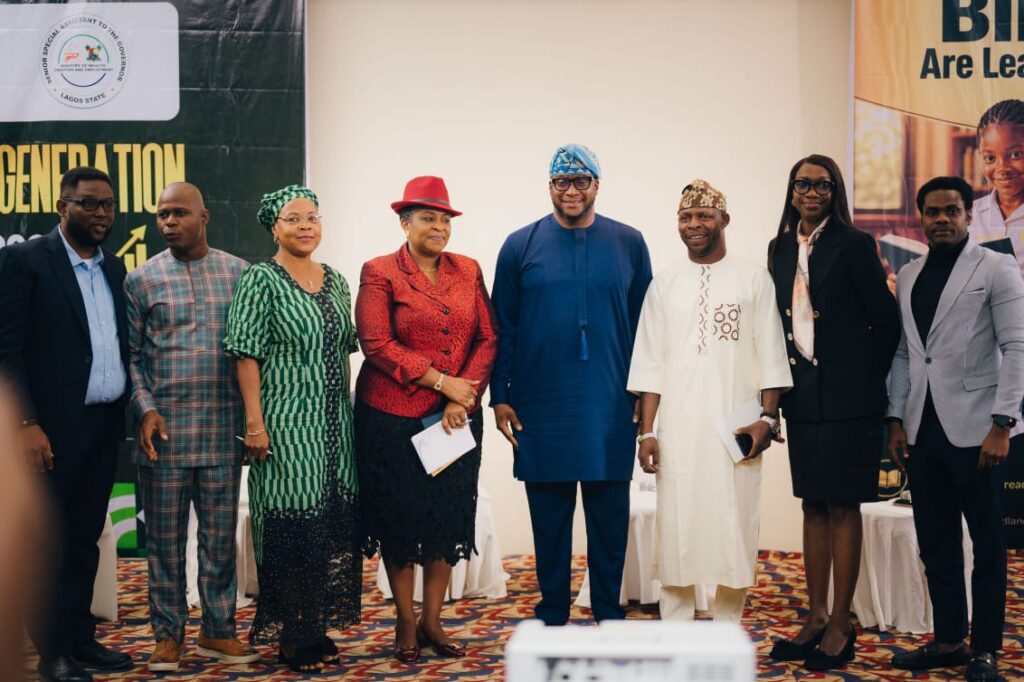
Lagos State government stakeholders along with wealth creation experts have called for stronger policy frameworks, institutional support, and deeper private sector collaboration to unlock the full potential of small and medium enterprises (SMEs) as engines of sustainable wealth creation.
The call was made at a wealth creation conference organised by Pyrex Consult in conjunction with the Office of the SSA to the Governor on Wealth Creation and Employment. The conference brought together policymakers, financial institutions, and development stakeholders to examine how government policy, among other factors, can strengthen wealth creation systems.
In his welcome address, the SSA to the Lagos State Governor, Amb. Comr. Tijani Oluwadare, stressed that true wealth is not built overnight. “It requires vision, discipline, strategy and the right structures that can stand the test of time”.
Corroborating Oluwadare, Principal Consultant, Pyrex Consult, Dr. Sijuade Balogun, said wealth is not simply about making money, but about building systems, creating opportunities, and establishing structures that produce long-term value for individuals, families, businesses, and society.
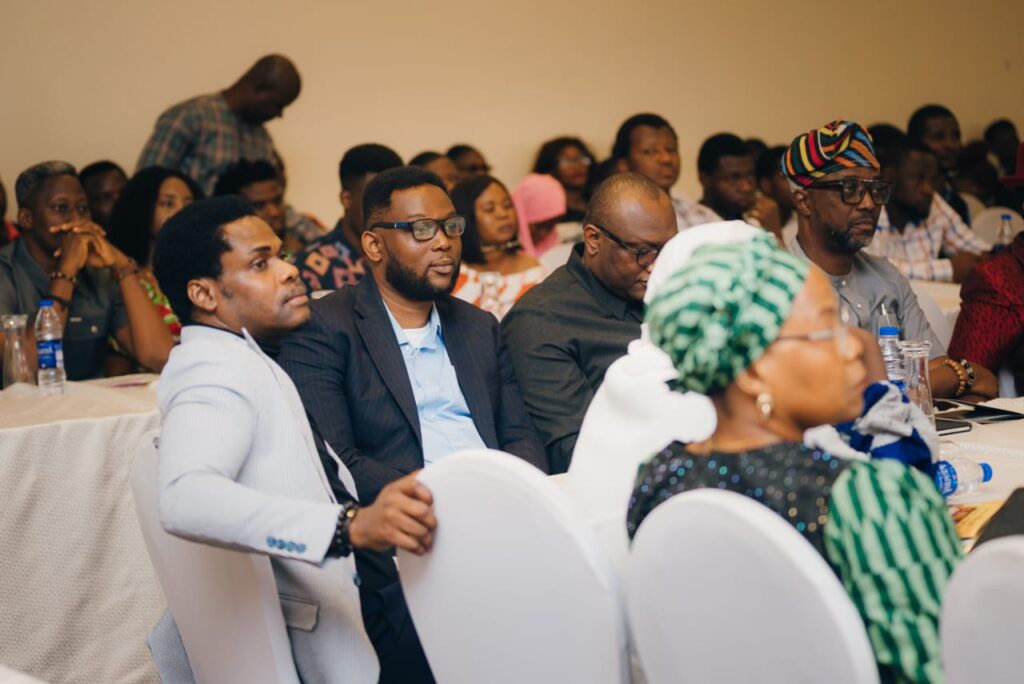
A panel discussion themed “The Role of Policy Making in Building Wealth Creation and Awareness” focused on how structured government interventions can support entrepreneurship, job creation, and economic inclusion.
Government intensifies SME support
Chairman, House Committee on Wealth Creation and Employment, Lagos State, Hon. Stella Osafile, outlined ongoing efforts by the Lagos State Government to strengthen SMEs through access to finance, training programmes, and equipment support.
According to her, the state government is committed not only to keeping businesses afloat but ensuring they scale and create employment opportunities.
“We are not just supporting b to survive; we are helping them grow, scale, and create jobs”.
Osafile explained that government interventions are designed to reduce unemployment, improve productivity, and stimulate inclusive economic growth across sectors.
She pointed out that Nigeria is blessed with intellectuals and think tanks, but poor implementation remains a major challenge. She also identified data collation as a critical gap, stressing that effective implementation requires proper record-keeping and accountability.
“Record keeping, taking stock and accounting for every kobo you spend”.
For wealth creation and sustainability, Osafile advised early-stage investment discipline, savings culture, and prudent financial management, cautioning against frivolous spending such as “asoebi”.
“Save, make sure you’re not losing money. Let your money work for you. Invest in treasury bills and go for low digit loans”.
She further underscored the importance of training and mindset transformation:
“You can’t separate learning from wealth creation – having the right set of people who have passion for the task, to be trained. Those with the mind shift outside what was studied in schools”.
“There should be a generation (future) that is wealth literacy. The next generation should labour in the area of learning. To teach is to communicate information while training is communicating skills”.
According to her, solving the problem of wealth generation must go beyond government efforts and extend to the private sector.
Private sector collaboration critical
Speakers at the panel emphasised that government efforts alone are insufficient to drive sustainable wealth creation, stressing the importance of collaboration with private sector institutions, financial organisations, and development partners.
Reinforcing this position, Osafile reeiterated that wealth creation requires collective responsibility beyond government.
Also speaking, Adenike Adeyinka, a banker and John Maxwell Coach, said banks are keen to support wealth creation initiatives through education and capacity building at various levels.
She urged collective action, noting that an inclusive ecosystem is key to success.
Adeyinka added that wealth creation must be complemented by sustainability measures, emphasising the need to teach people how to protect and sustain wealth.
Other speakers noted that SMEs remain the backbone of any strong economy but continue to face structural constraints that limit their growth.
Key challenges identified include limited access to credit, inadequate infrastructure, and regulatory bottlenecks that hinder business expansion.
Participants called for systemic reforms to ease business operations and improve access to funding and markets.
Beyond funding: bridging the skills gap
The panel also highlighted a critical gap in entrepreneurial development – skills and knowledge.
Speakers stressed that while funding is important, many SMEs fail due to poor financial management, weak operational systems, and ineffective market strategies.
They argued that sustainable enterprise growth requires more than capital; it demands structured training, mentorship, and continuous business education.
Examples were shared of SMEs that have successfully scaled through government-backed programmes, demonstrating the impact of targeted interventions when effectively implemented.
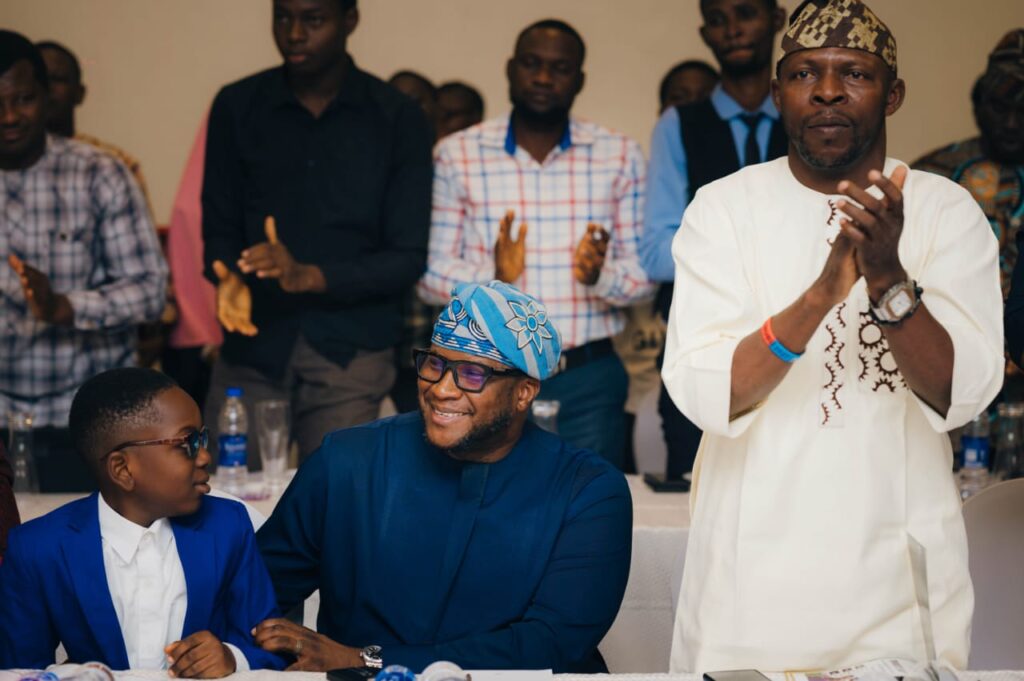
SMEs as engines of economic stability
Participants agreed that SMEs are central not only to job creation but also to wealth distribution and poverty reduction.
They noted that when properly structured, SMEs can serve as engines for innovation, employment, and long-term economic stability.
The panel concluded that sustainable wealth creation depends on a balanced ecosystem driven by effective policy frameworks, active private sector participation, and well-trained entrepreneurs capable of building scalable businesses.
In his submission, the Commissioner for Wealth Creation and Employment, Hon. Akinyemi Ajigbotafe, urged individuals to think creatively and embrace innovation.
He also disclosed that the Lagos State Government plans to absorb students trained by entrepreneurs into its workforce.
Pyrex Consult reiterated its commitment as a results-driven consulting firm dedicated to helping individuals and organisations clarify goals, unlock strengths, and build sustainable businesses and careers.