


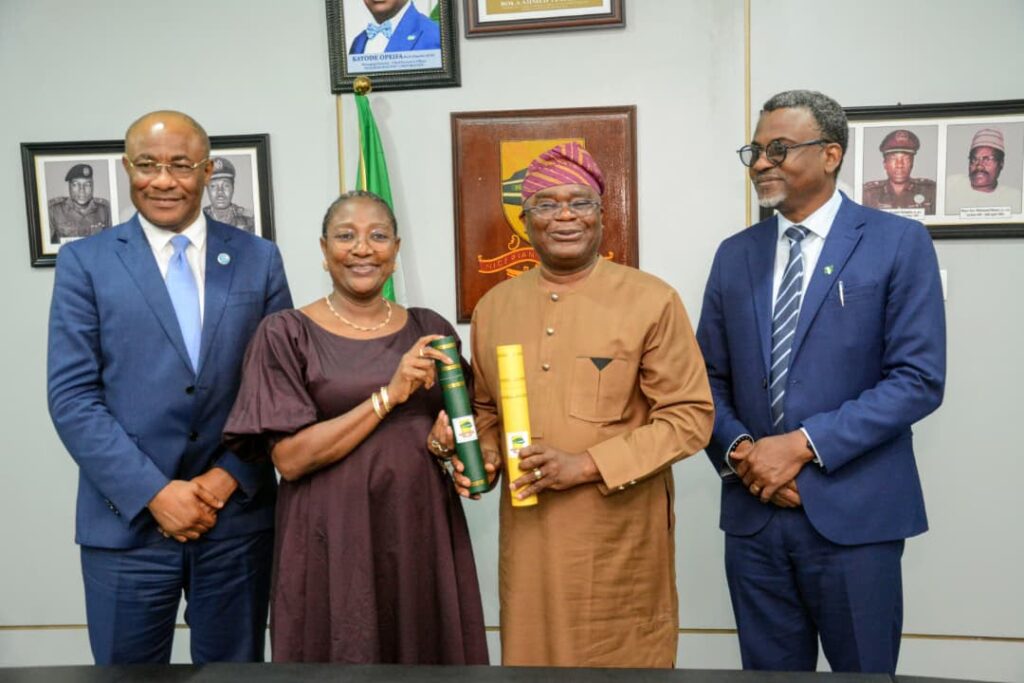
The Nigerian Railway Corporation (NRC) has granted the Lagos State Government a permanent operating licence for the Lagos Rail Mass Transit (LRMT) Red Line, marking a major shift in Nigeria’s railway sector and paving the way for increased state participation in rail operations.
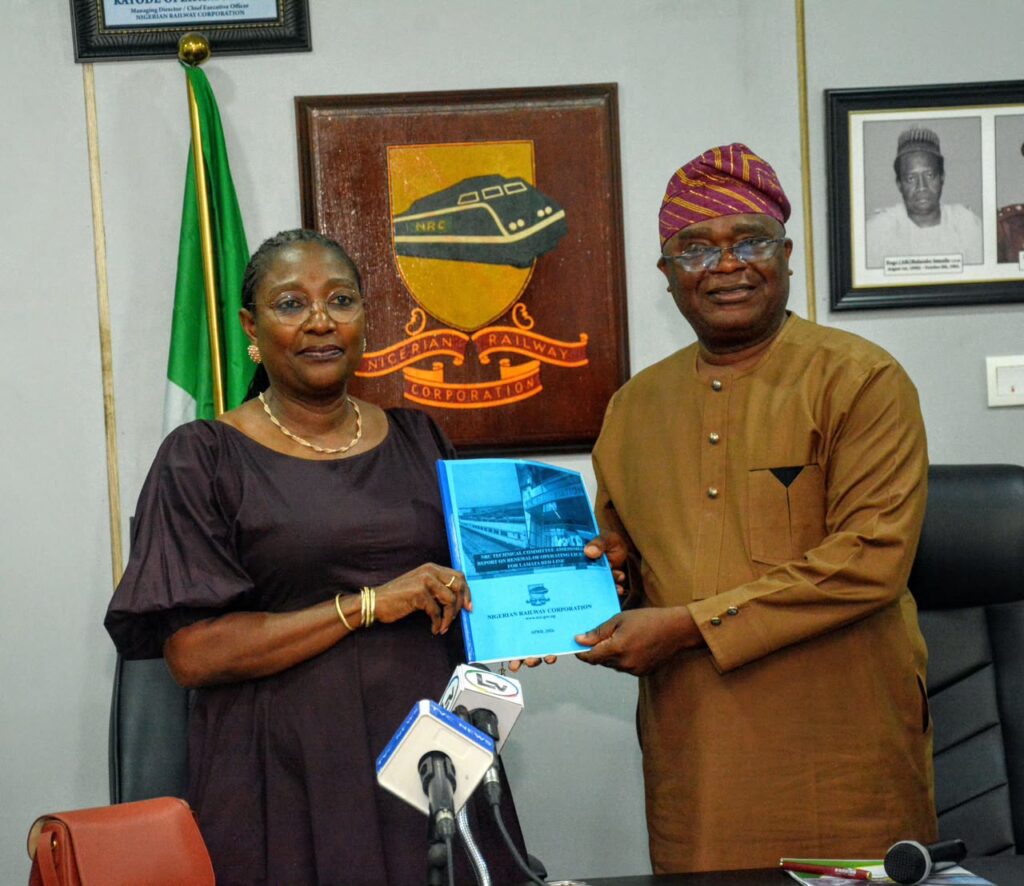
The licence, presented to the Lagos Metropolitan Area Transport Authority (LAMATA) on Tuesday in Lagos, formally authorises the agency to operate passenger services on the shared rail corridor under the existing Track Sharing Agreement with the NRC.
Speaking at the ceremony, the Managing Director of the NRC, Dr. Kayode Opeifa, described the development as a historic milestone that ends the Corporation’s 128-year monopoly as Nigeria’s sole rail operator and aligns the country’s railway system with global best practices.
He stressed that the NRC was not relinquishing its statutory responsibilities but expanding the sector by encouraging multiple operators within a regulated railway framework.
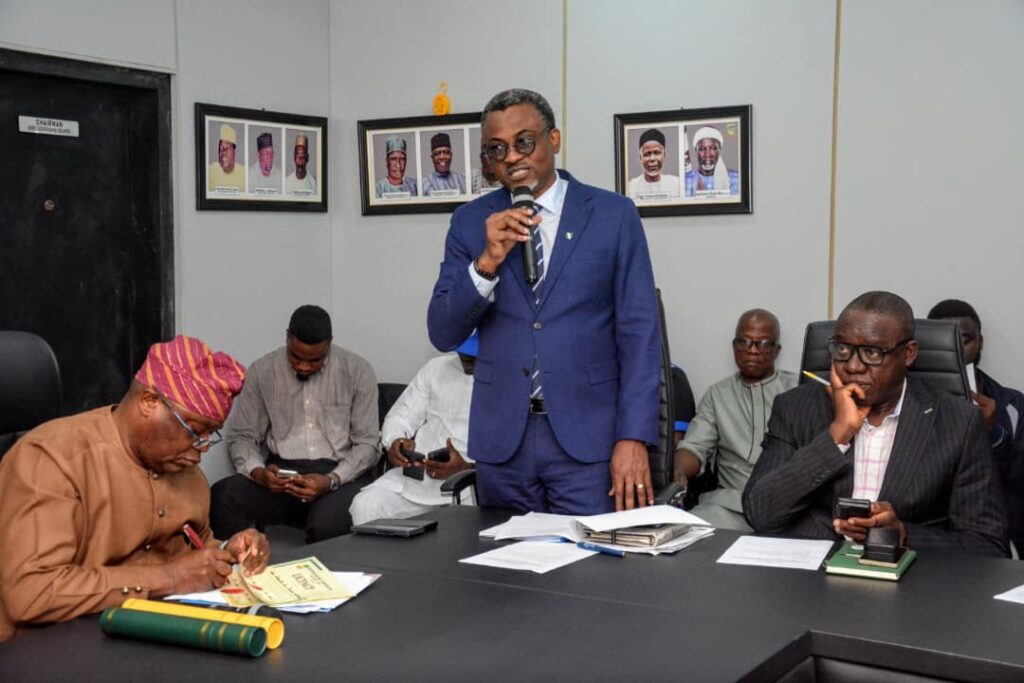
“For 128 years, since 1898, the Nigerian Railway Corporation has remained the sole developer and operator of railway services across Nigeria. Today, we formally change that narrative by embracing the global best practice of encouraging multiple operators within a regulated rail system”, he said.
Opeifa recalled that former President Goodluck Jonathan approved the transfer of two federal rail tracks to the Lagos State Government in April 2012 to facilitate the development of the LRMT Red Line, a decision he described as visionary.
The Red Line commenced passenger operations on October 15, 2024, following its inauguration by President Bola Tinubu, initially operating morning and evening peak-hour services.
According to him, the NRC’s partnership with Lagos State has gone beyond granting access to rail tracks, extending to the training and capacity development of Red Line operational personnel.
He noted that the Corporation had issued a temporary operating licence to Lagos State over a year ago to enable implementation of the Track Sharing Agreement pending operational assessments.
Following successful evaluations, the permanent licence now grants LAMATA full rights to operate services on the shared corridor while also empowering the Lagos State Government to develop and operate other rail systems in line with international best practices.
Opeifa commended the Lagos State Government for its sustained investment in rail infrastructure, rolling stock acquisition and public transportation, describing the state’s commitment as a model for other sub-national governments.
He urged other states to invest in railway infrastructure to complement the Federal Government’s efforts at expanding Nigeria’s rail network.
According to him, wider adoption of rail transport across the country would reduce highway congestion, lower logistics costs, improve passenger mobility, stimulate economic activities and drive national growth.
He reaffirmed the NRC’s commitment to partnerships that would transform Nigeria’s transport sector into an integrated, efficient, safe and sustainable railway system.
The NRC boss also praised the assessment team whose rigorous operational evaluations led to the approval of the permanent licence, noting that their diligence ensured the Red Line met the required operational standards for continued service.