



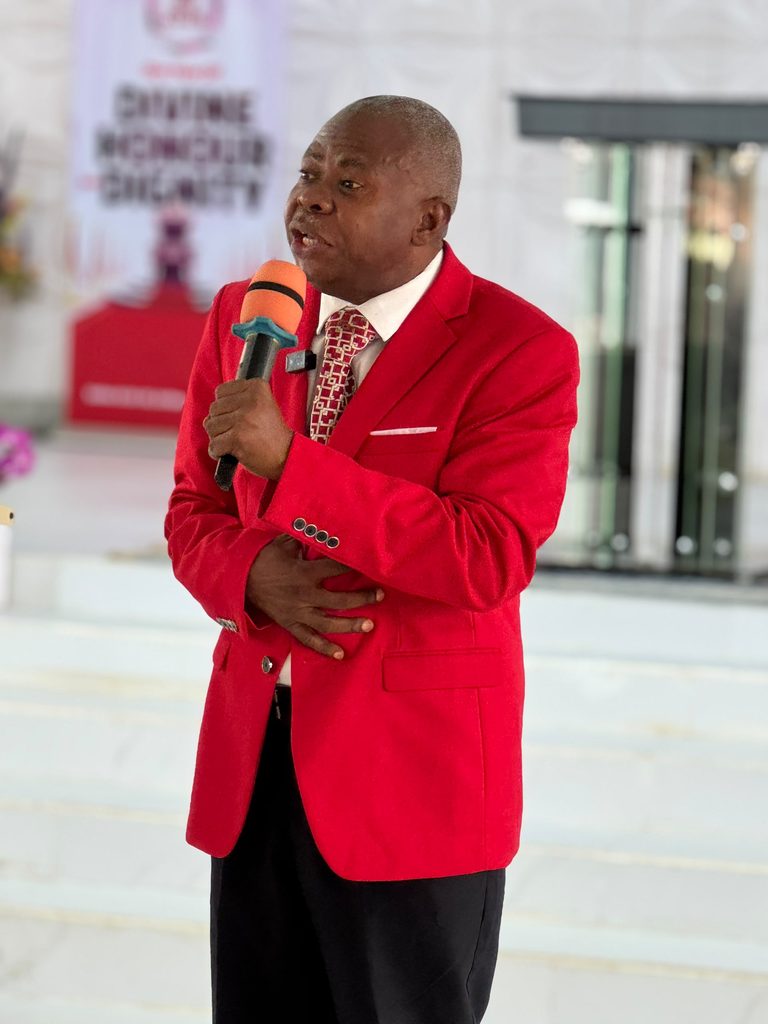
The strength of the Church is not necessarily reflected in the size of its congregation, the magnificence of its buildings or the prominence of its leadership, but in the depth of its spiritual foundation, the integrity of its ministers and the capacity of its members to live out the teachings of Christ.
This conviction formed the central message of a two-day ministerial conference organised by St. James Revival Assemblies in Lagos, where Bishop James Smith, a Nigerian-born clergyman with nearly three decades of missionary experience, challenged Christian leaders to embrace a renewed commitment to spiritual maturity, discipleship, accountability and effective church administration.
The conference, held on October 23 and 24, 2026, at Foursquare Gospel Church, Iba Housing Estate, Lagos, was organised under the theme, “Raising Strong and Effective Church”, with the sub-theme, “Strength for the Journey of Ministry”.
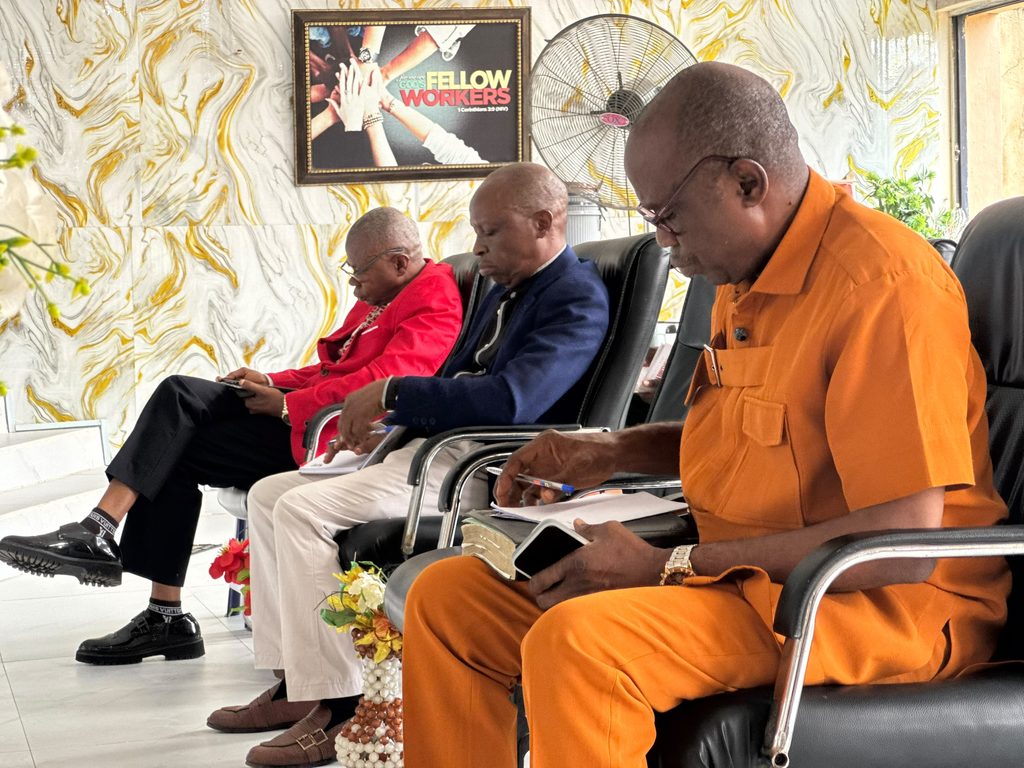
It brought together pastors, bishops, apostles and other Christian ministers from different denominations and independent ministries for two days of spiritual instruction, leadership development, ministerial reflection and fellowship.
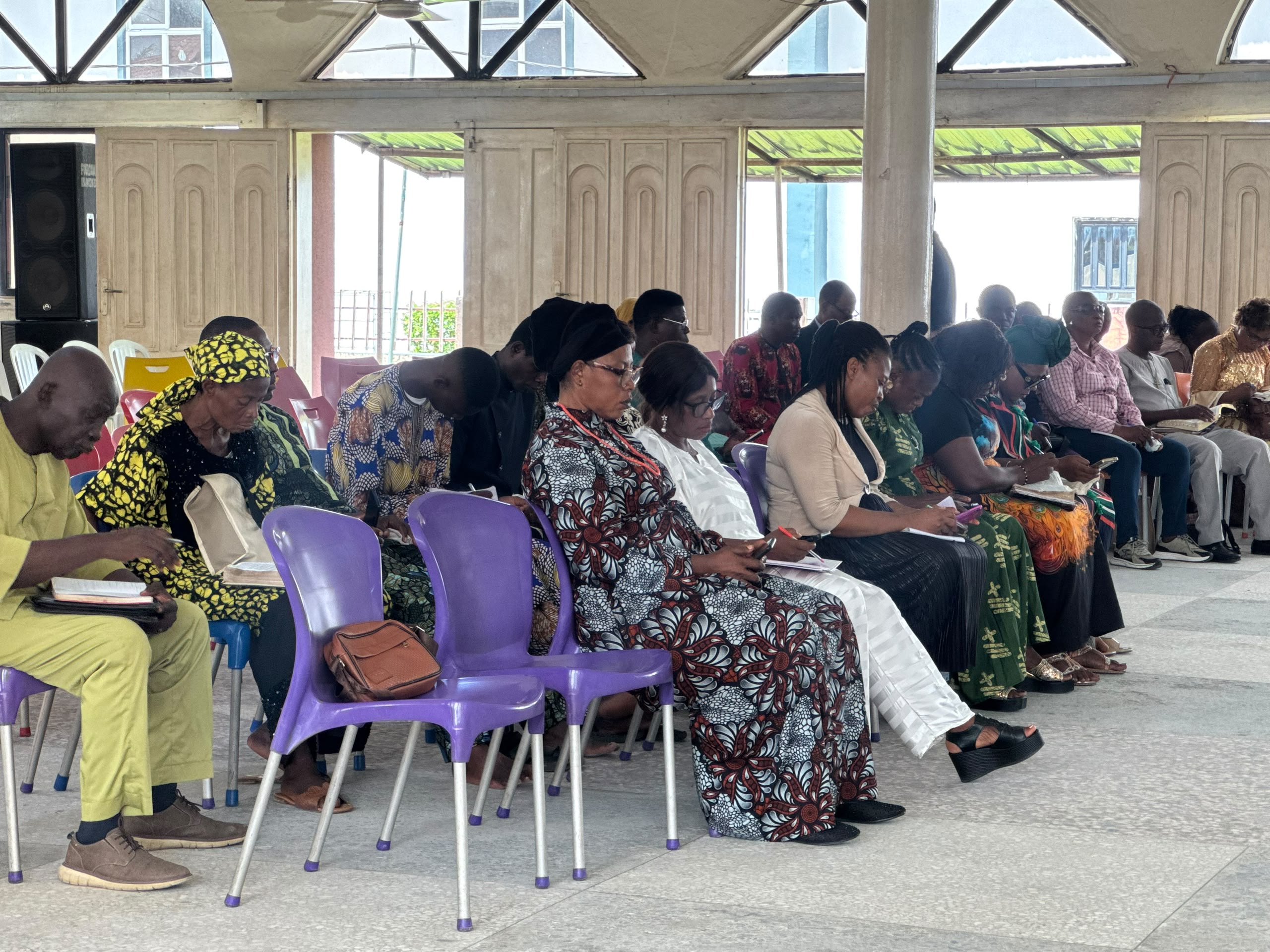
Speaking on the motivation behind the initiative, Bishop Smith explained that independent and grassroots churches frequently lack access to the mentorship, institutional support and leadership development opportunities available to larger denominations.
He believes that the Church must deliberately create an environment in which ministers, irrespective of the size of their congregations, can receive encouragement, exchange ideas and develop the capacity required to sustain their ministries.
According to him, approximately 68 churches were represented at the gathering, although the event report recorded 64 churches and ministries in attendance.
The distinction notwithstanding, the level of participation underscored the growing need for platforms that bring Christian leaders together for mutual learning and spiritual development.
A Mission Rooted in Experience
Originally from Delta State, Bishop Smith spent 11 years pastoring in Nigeria before embarking on missionary work in Liberia approximately 29 years ago.
His missionary journey has involved church planting, ministerial training, evangelism and outreach beyond Liberia, with an increasing desire to extend his work to other countries.
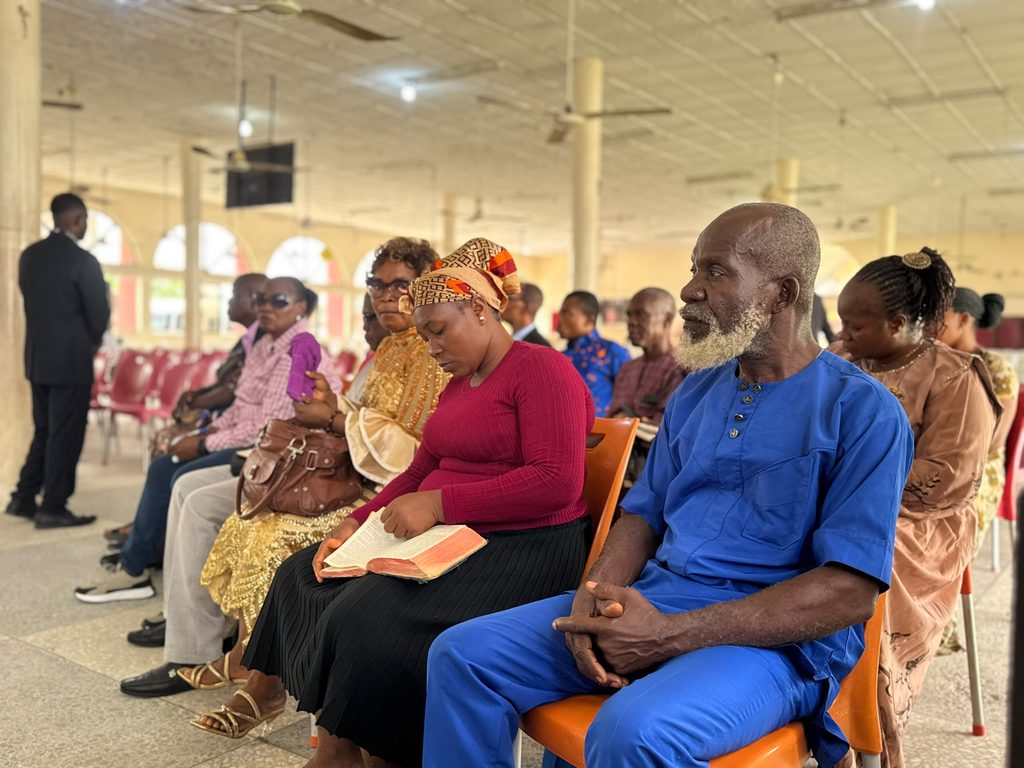
Drawing from his years of ministry, he observed that the Christian communit?y comprises churches of different sizes and structures, all united by the same fundamental responsibility of advancing God’s Kingdom.
Although larger denominations often enjoy greater visibility and institutional advantages, he believes smaller congregations also have an important role to play in fulfilling the Great Commission.
“Although the giants are here, there are still a handful of independent churches,” he observed, explaining the motivation behind his continued commitment to grassroots ministries.
He maintained that the growth of Christianity should not be measured exclusively by numerical strength, but by the quality of spiritual formation, leadership, discipleship and commitment to evangelism within individual congregations.
“The truth of it is that we are all working for one God, one purpose, one kingdom. All of the churches, whether a small church, grassroots church or giant church, we are all doing the same thing,” he said.
This philosophy reflects his conviction that Christian unity should transcend denominational boundaries and institutional differences.
Rather than encourage competition among churches, Bishop Smith advocates collaboration, mutual support and the sharing of ministerial experiences as pathways towards strengthening the wider Christian community.
He also expressed concern that smaller congregations sometimes struggle to maintain their identity and membership when larger churches establish a presence in their communities.
His response is to encourage an environment where independent ministries can access mentorship, leadership training and spiritual guidance without feeling intimidated by the size or influence of established denominations.
Raising a Church Beyond Its Numbers
At the heart of the conference was a fundamental question: What makes a church strong and effective?
For Bishop Smith, the answer goes beyond having a large congregation, impressive facilities or a charismatic pastor.
He identified prayer, evangelism, discipleship, continuous ministerial training, accountability, integrity and effective administration as indispensable elements of a sustainable Christian ministry.
His teachings challenged ministers to examine not only the numerical growth of their congregations but also the spiritual condition of their members and the effectiveness of their leadership structures.
In his message on spiritual warfare, Bishop Smith drew attention to Ephesians 6:10 and 2 Corinthians 10:3, reminding participants that Christian ministry requires spiritual preparedness, courage and perseverance.
He emphasised that ministers must be equipped to confront the challenges of their generation rather than allow unresolved spiritual and moral battles to become burdens for the next generation.
“Battles you cannot defeat are left for children to inherit”, he said.
The statement reinforced his call for pastors to take their spiritual responsibilities seriously and deliberately raise believers who are sufficiently grounded in Scripture to withstand the pressures of contemporary society.
Another significant teaching, titled “The Necessity of Power in the Last Days”, examined the importance of maintaining an intimate relationship with God through His Word, prayer and fasting.
He cautioned ministers against allowing personal preferences, traditions and individual convictions to become doctrines without adequate biblical foundation.
His message was a reminder that effective Christian leadership must remain anchored in Scripture rather than institutional customs or personal interpretations.
Discipleship: The Foundation of Sustainable Ministry
One of the strongest themes running through Bishop Smith’s teachings was the place of discipleship in building a spiritually mature Church.
He argued that bringing people into a congregation represents only the beginning of a minister’s responsibility.
The greater responsibility lies in nurturing, teaching and equipping them to understand the Christian faith, embrace the vision of the ministry and participate meaningfully in its growth.
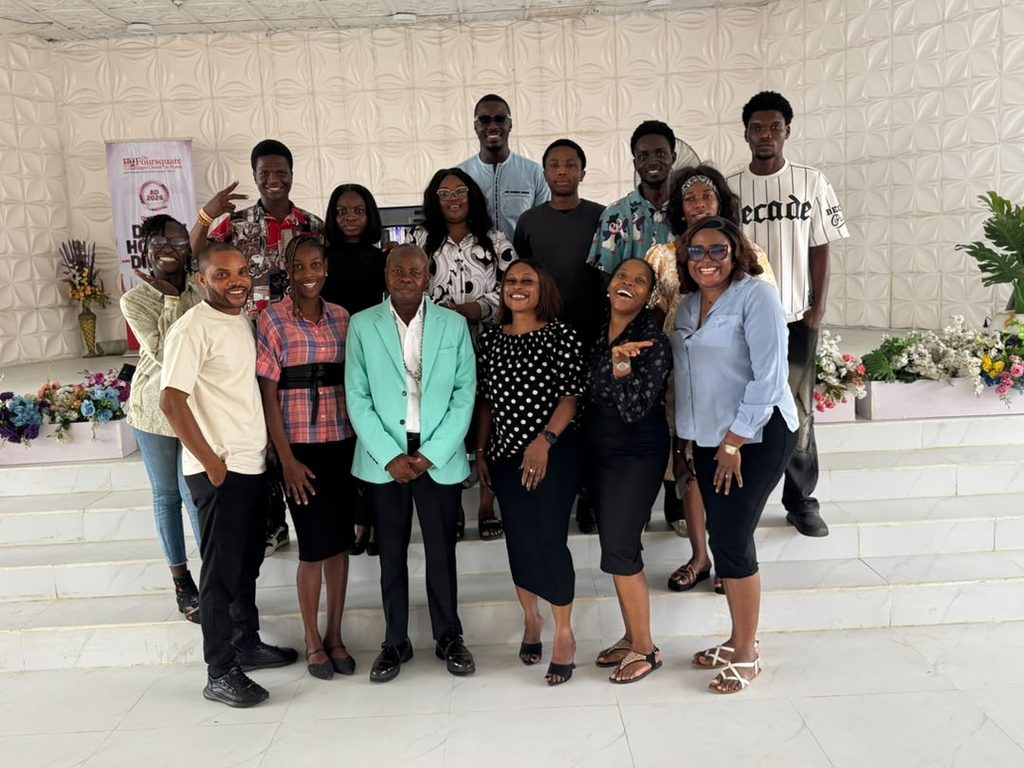
Drawing from the ministry of Jesus Christ and His disciples, he maintained that the long-term strength of any congregation depends on its ability to reproduce spiritually grounded believers who can sustain its mission across generations.
“If you have three members, and you disciple them, you have a church. If you have 20 members, and the 20 members are properly discipled, they can turn the city upside down”, he said.
The message challenged the assumption that numerical expansion automatically translates into spiritual growth.
A congregation may attract thousands of worshippers and still struggle with spiritual immaturity if its members are not adequately grounded in the Word of God.
Bishop Smith therefore advocated regular training and retraining for church members, workers and ministers, stressing that leadership development should be a continuous process rather than an occasional exercise.
He also called for stronger institutional structures within churches, arguing that ministries should not depend entirely on the personality or constant presence of their founders and senior pastors.
In his view, a properly established church should have the administrative systems, trained personnel and spiritual leadership capacity to function effectively even when its pastor is unavailable.
This emphasis on discipleship, institutional continuity and leadership development reflects a broader concern about the sustainability of Christian ministries beyond their founding generations.
Integrity and Accountability in Church Leadership
Beyond spiritual preparedness, Bishop Smith devoted considerable attention to integrity and accountability, particularly in the administration of church resources.
He maintained that the credibility of Christian leadership is strengthened when ministers demonstrate transparency in their dealings with members and faithfully discharge the responsibilities entrusted to them.
He explained that accountability extends beyond financial records to include time management, transparency, responsible administration and the fulfilment of commitments made to congregations.
According to him, church leaders must be able to explain how funds received are utilised, particularly when members make contributions for specific projects or purposes.
“If the people give their money for a particular purpose, that purpose should be achieved”, he stressed.
He also urged ministers to demonstrate greater discipline in organising church activities, noting that punctuality and respect for members’ time should form part of responsible pastoral leadership.
Such principles, he observed, are essential to building trust between church leaders and their congregations and establishing ministries capable of maintaining their spiritual and institutional relevance over time.
In an era when questions surrounding transparency and ministerial accountability increasingly influence public perceptions of religious institutions, his emphasis on responsible stewardship carries particular significance.
He further encouraged ministers to pay attention to their physical wellbeing, get adequate rest and seek medical attention when necessary, stressing that those called to serve others must also take responsibility for their health.
A Call for Balanced Christian Teaching and Youth Development
Bishop Smith also used the gathering to express concern about religious teachings that promise quick success without sufficiently emphasising discipline, diligence, repentance and commitment to God’s Kingdom.
Reflecting on his return to Nigeria after years of missionary service abroad, he called on churches to provide balanced teachings that encourage spiritual maturity alongside responsible living.
He particularly appealed to Nigerian youths to develop closer relationships with God and become active participants in the work of the Church.
His position was that Christian ministries must go beyond attracting young people through promises of material breakthroughs to provide the spiritual guidance, moral foundation and discipline needed to navigate the challenges of contemporary society.
The message reinforced the conference’s broader emphasis on raising believers who are not only active in church programmes but also equipped to make meaningful contributions to their families, communities and society.
Ministers Reflect on Family, Faith and the Integrity of Ministry
The gathering also provided opportunities for other Christian leaders to share perspectives on contemporary ministerial challenges.
Speaking with journalists, Apostle Mrs. Dorcas Okonye Azuka of City of Priests Mega Church expressed appreciation for the opportunity to participate in the conference and revisit important spiritual teachings.
She particularly encouraged female ministers to maintain humility within their homes and deliberately create time for their families, noting that the demands of ministry should not undermine family responsibilities.
Her intervention highlighted an important dimension of Christian leadership: the need for ministers to maintain balance between their public responsibilities and their obligations within the family.
Similarly, Bishop-Elect James Esuku, in his remarks to the press, addressed concerns surrounding transactional approaches to ministry and perceptions that the power of God was diminishing.
He maintained that God’s ways remain unchanged, while urging Christians to cultivate personal relationships with Him rather than allow the misconduct of individuals to weaken their faith.
His observations complemented the conference’s wider call for sound biblical teaching, personal spiritual responsibility and integrity in Christian leadership.
A Gathering of Christian Leaders
The two-day conference attracted ministers and Christian leaders from several churches and ministries.
Among those who attended were Rev. Dr. Mike Adeleke, PFN Chairman of Ojo Province; Bishop Vincent Paye Bagnoon; Apostle Veronica Ujah; Apostle Dr. Eddo Sylvanus of Foursquare Gospel Church, Iba Housing Estate; Pastor Iboro Promise Freedom; Bishop Kingsley Azuka of City of Priests Mega Church; Bishop-Elect James Esuku; and international gospel artist Praise Eddo.
Their participation contributed to an atmosphere of fellowship, spiritual reflection and ministerial exchange.
Bishop Smith expressed appreciation to the host pastor, Apostle Dr. Eddo Sylvanus, for providing the venue and supporting the conference.
He also acknowledged the facilitators, ministers and other participants whose contributions helped make the programme successful.
The teachings covered spiritual warfare, the necessity of divine power, ministerial discipline, discipleship and the responsibilities of Christian leaders in building sustainable congregations.
Extending the Mission Beyond Lagos
The Lagos gathering forms part of Bishop Smith’s wider missionary commitment to strengthening grassroots churches and equipping ministers across different locations.
During the interview, he disclosed that the initiative had previously taken him to Bayelsa and Port Harcourt earlier in the year.
He also indicated plans for another conference in Lekki in March 2027, subject to the anticipated programme schedule.
These engagements reflect his intention to develop a wider network of ministers who can learn from one another, strengthen their congregations and contribute to the advancement of Christianity.
For Bishop Smith, the assignment extends beyond organising conferences and bringing ministers together. It is about building people, strengthening institutions and ensuring that independent ministries receive the spiritual encouragement and practical guidance required to fulfil their assignments.
His nearly three decades of missionary experience in Liberia and other locations have reinforced his conviction that the sustainability of the Church depends on the quality of people it raises and the spiritual foundations upon which its ministries are built.
Ultimately, the message of the Lagos conference was a call for the Church to look beyond outward appearances and return to the essentials of Christian ministry: sound biblical teaching, prayer, discipleship, integrity, accountability and faithful service.
As St. James Revival Assemblies continues to pursue this vision, Bishop James G. Smith is championing a model of Christian leadership that places spiritual depth above numerical attraction, character above religious prominence and sustainable discipleship above temporary success.
For him, a strong Church is not simply one that gathers people, but one that transforms lives, raises responsible believers and prepares successive generations to carry forward the work of God’s Kingdom.