

Top engineering firm Julius Berger Nigeria PLC is spearheading an extensive bridge rehabilitation programme across Lagos, following its engagement by the Federal Ministry of Works in 2023 to tackle years of structural deterioration affecting key transport infrastructure.
Construction began in January 2024, covering four critical links: the Third Mainland Bridge, Carter Bridge, Iddo Bridge, and the Iddo Bridge Underpass. The intervention targets long-standing damage, particularly in underwater components weakened by marine corrosion, tidal forces, and persistent heavy traffic.
At Carter Bridge, works focused on compromised underwater and substructure elements impacted by corrosion and tidal activity. Physical construction was completed in January, with the project now in its close-out phase.
Rehabilitation of the Third Mainland Bridge has involved repairs to key structural components such as the deck soffit, piers, and underwater pile caps. The project is about 80% physically complete, with only the monitoring phase now in its third month remaining. This one-year phase is dedicated to performance validation.
Financially, roughly 60% of the budget has been committed, with 21% of the total project value executed so far. Project officials say the monitoring stage is critical for quality assurance, ensuring the bridge’s long-term safety, stability, and durability.
Work on Iddo Bridge is more intensive due to severe degradation. Large sections have been demolished and are being rebuilt using reinforced concrete girders, upgraded reinforcement systems, and strengthened supports. The project is currently at 30% completion.
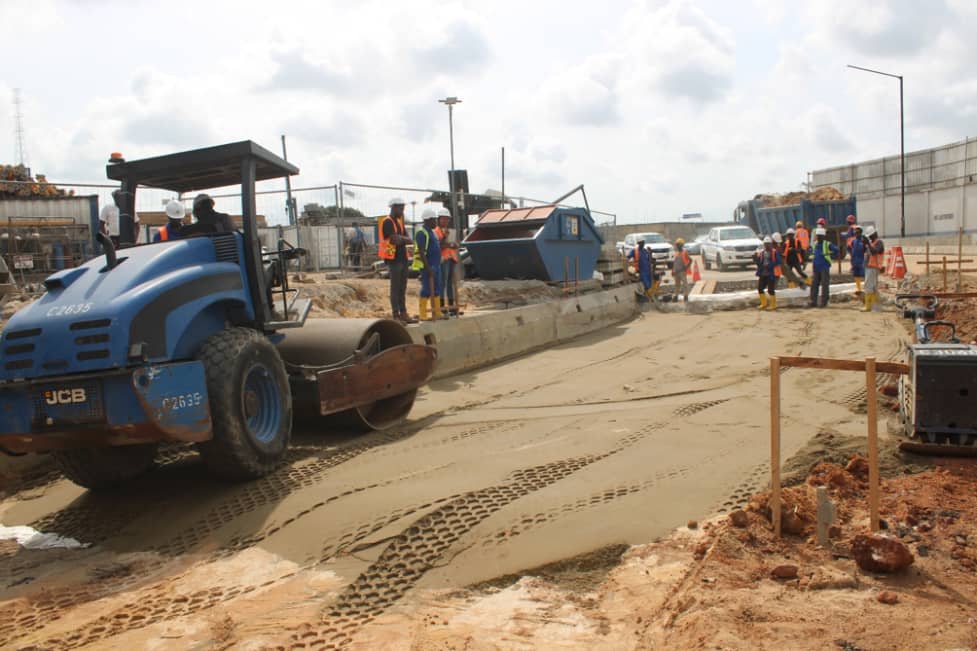
At the Iddo Bridge Underpass, the existing structure has been fully removed for reconstruction. The scope includes continuous reinforced concrete pavement (CRCP), enhanced drainage, and installation of modern street lighting and utility systems. Progress stands at 38%.
CRCP technology is designed to control, rather than eliminate, cracking by allowing closely spaced cracks while reinforcement keeps them tight and prevents widening.
Overall, the rehabilitation programme is expected to significantly improve commuter safety, extend the lifespan of vital infrastructure, reduce structural risks, and ease traffic flow across some of Lagos’ busiest corridors, ultimately boosting economic activity in the state.