


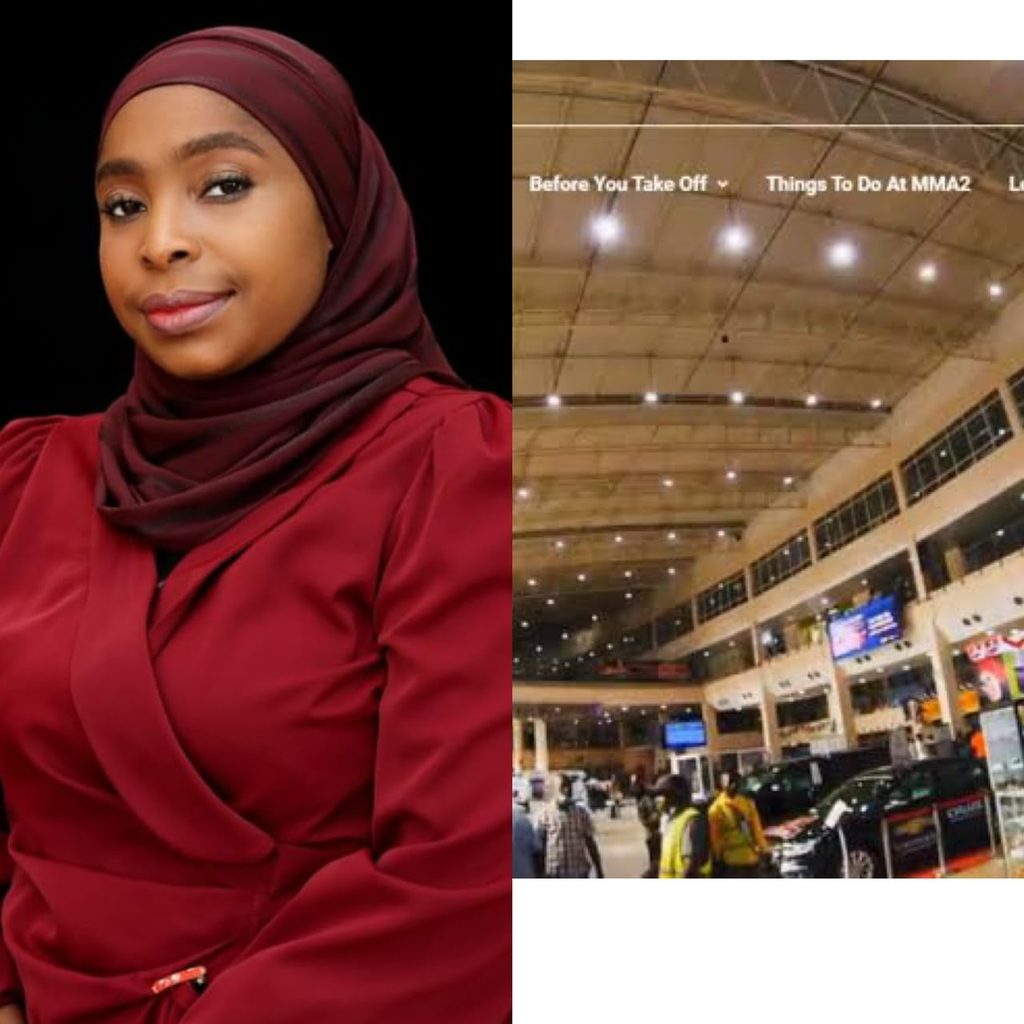
Safety was not added to the design of the Murtala Muhammed Airport Terminal 2 (MMA2) as an afterthought; it was built into the terminal from the ground up, according to the Head of Safety, Bi-Courtney Aviation Services Limited (BASL), Mrs. Nafisat Adeniran.
Adeniran said the safety architecture of MMA2 operated by BASL was deliberately incorporated into the terminal from its conception, making safety management part of the facility’s structure and daily operations rather than a response to incidents.
Speaking during an interview with JudtNet News on safety management at MMA2, she explained that the terminal was built from scratch, unlike many concession arrangements where existing facilities are simply taken over and modified.
According to her, the original concession arrangement provided for a relatively basic terminal structure, Wale Babalakin, but the chairman of the company opted for a full-fledged terminal with safety considerations incorporated into its design.
“Safety was built into the design from inception”, she said, pointing to features including sprinkler systems, fire alarms and clearly designated emergency exits.
She explained that the same principle continues to guide modifications within the terminal. Any proposed partition, new activity or alteration to the existing structure triggers a management-of-change process, including a risk assessment to determine whether existing safety systems remain adequate.
“If you want to partition anywhere, you have to look at the risk. If you are introducing a new activity, you have to look at the risk”, she said.
Where necessary, she added, the sprinkler system is extended or increased to ensure that the additional space remains adequately protected.
Adeniran described risk assessment as the backbone of the terminal’s Safety Management System (SMS), with hazards identified and assessed before they develop into incidents.
She said the approach extends beyond the terminal building to the airside environment, where activities such as aircraft refuelling, aircraft movement and the use of ground support equipment present significant risks.
“Routine inspections are therefore carried out to ensure that equipment remains serviceable, while identified hazards are addressed before they escalate.
“The terminal also conducts a full fire and safety risk assessment twice a year, involving relevant stakeholders, including the fire service.
“The exercise covers the terminal from door to door, with teams checking fire extinguishers, emergency exits, occupancy levels, emergency lighting and evacuation routes to ensure that nothing obstructs a safe exit.
“Emergency doors are also tested and timed to determine how quickly they can be opened and used during an evacuation, while security personnel are responsible for ensuring that the necessary keys are readily available”, she stated.
Adeniran said MMA2 maintains about 540 firefighting equipment units across the facility, with equipment taken out of service for maintenance replaced or redistributed to ensure that adequate protection remains available.
She said the terminal’s safety management follows the Plan-Do-Check-Act cycle, allowing the organisation to continuously review its systems, identify gaps and make improvements.
“Safety is not something you do once and forget. You plan, you execute, you check and then you act based on what you have found”, she said.
The approach, she noted, has helped MMA2 maintain a proactive safety culture in which potential risks are identified and addressed before they become major incidents.